2026 Top Comfort Bra Styles That Everyone is Talking About?
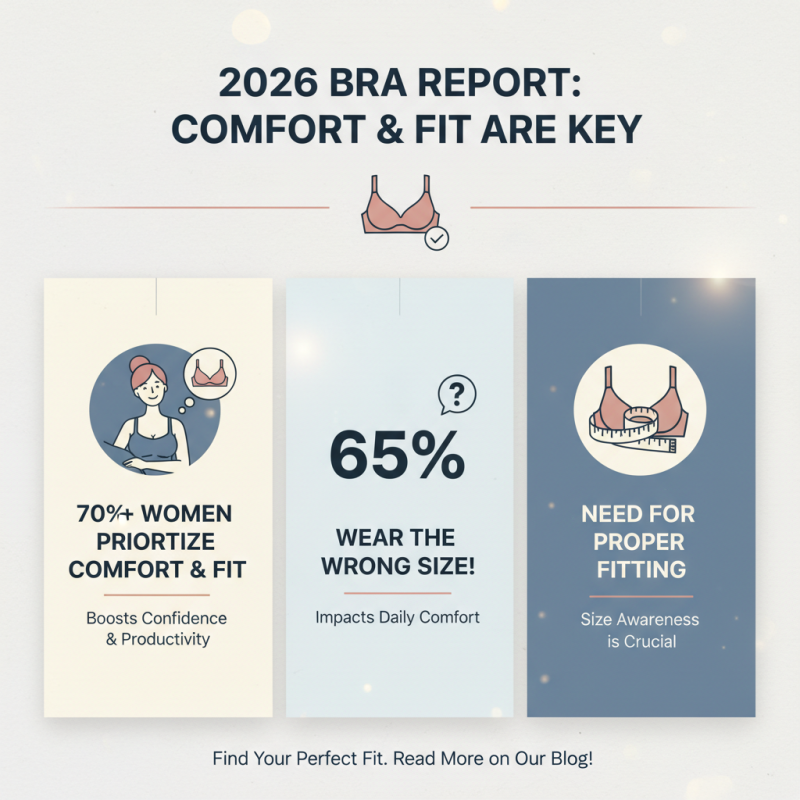
The year 2026 is shaping up to be transformative for intimate apparel, particularly in the realm of the Comfort Bra. According to market research from Statista, the global women's lingerie market is projected to reach over $40 billion by 2025, with comfort-driven designs leading this growth. Women are prioritizing comfort without sacrificing style, a sentiment reflected in numerous surveys indicating that 75% of women prefer bras that offer superior comfort.
The Comfort Bra has thus emerged as a focal point in this evolving landscape. It combines innovative fabrics with thoughtful designs to meet diverse needs. Reports from industry experts emphasize the importance of features such as moisture-wicking materials and adjustable straps, which enhance wearability. However, brands must also reflect on sustainability. As consumers demand eco-friendly options, the push for responsible production practices grows stronger.
Yet, as brands race to innovate, they must strike a balance between comfort and support. Many consumers report challenges in finding the right fit, highlighting the need for more inclusive sizing. The Comfort Bra market has a long way to go in addressing these inconsistencies. Focusing on user feedback and continuous improvement will be essential in shaping the future of this beloved staple.
Emerging Trends in Comfort Bra Designs for 2026
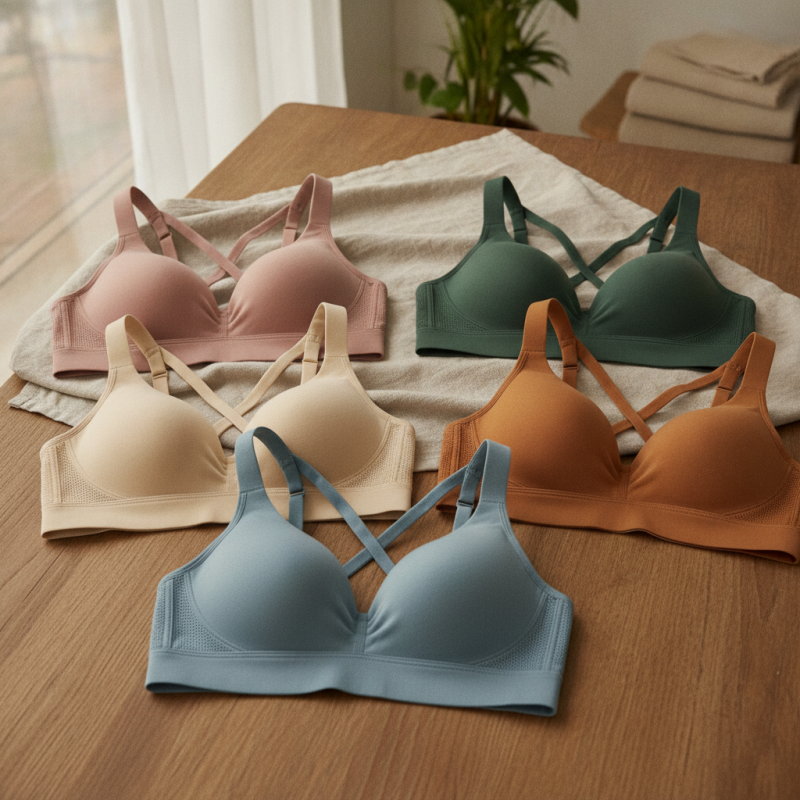
As we look towards 2026, comfort bra designs are evolving rapidly. According to market research, 75% of consumers prioritize comfort in their lingerie choices. This growing demand influences many brands to innovate their styles. Soft fabrics and seamless designs are gaining traction, appealing to those seeking both functionality and style.
Emerging trends highlight the fusion of technology and comfort. Reports indicate that smart textiles are becoming increasingly popular. These fabrics can adapt to body temperature and shape. In addition, sustainable materials are on the rise, with eco-friendly options accounting for 35% of new product launches. Shoppers are more informed, making choices that align with their values and lifestyle.
However, there are still challenges. Many consumers report difficulty finding the perfect fit due to variances in sizing. This inconsistency can lead to frustration and returns, undermining the overall experience. Brands need to address these issues by providing better size guides and fit solutions. This focus on precision can help enhance customer satisfaction in an ever-changing market.
Key Features That Define the Best Comfort Bras of 2026
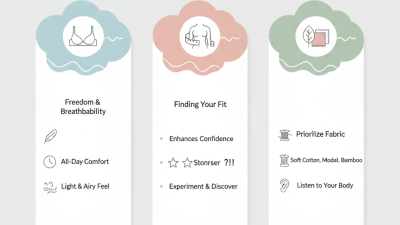
In 2026, comfort bras are evolving to meet diverse needs. The best styles prioritize fit and functionality. Soft fabrics increase comfort, while breathable materials allow for all-day wear. Many designs feature seamless construction, minimizing irritation.
Key features of these comfort bras include adjustable straps for personalized support. This ensures a snug fit without digging into the skin. Additionally, many styles incorporate wide bands that reduce pressure on the body. This thoughtful design helps create an overall sense of ease.
On the flip side, some consumers find that comfort bras sacrifice aesthetics. The lack of traditional lingerie elements can feel unappealing for special occasions. It's essential to balance comfort and style. Finding the right fit is a journey. Everyone's body is different, and what feels great for one might not work for another. Exploring various styles allows for a more comprehensive understanding of your unique preferences.
2026 Top Comfort Bra Styles That Everyone is Talking About
| Bra Style |
Key Features |
Material |
Size Range |
| Wireless Comfort Bra |
Seamless design, breathable fabric, adjustable straps |
Cotton blend, moisture-wicking |
34A - 40D |
| Post-Surgery Bra |
Front closure, soft cups, adjustable fit |
Soft microfiber, hypoallergenic |
32A - 38C |
| Yoga Comfort Bra |
Light support, wide band, moisture control |
Recycled polyester |
XS - L |
| Luxe Lounge Bra |
Ultra-soft fabric, no dig bands, stylish look |
Modal blend |
34B - 42DD |
| Balconette Comfort Bra |
Supportive structure, lace detailing, enhanced lift |
Nylon and elastane |
30B - 38C |
Popular Materials Used in 2026's Top Comfort Bra Styles
As we dive into the hottest comfort bra styles of 2026, materials play a crucial role in their popularity. According to a recent market research report, 45% of consumers prioritize fabric choice when selecting bras. Soft cotton blends are favored for daily wear, ensuring breathability and comfort. Meanwhile, moisture-wicking synthetic fabrics are rising in demand, appealing to those with active lifestyles.
Innovative textiles, such as modal and bamboo, are showing significant growth. These materials offer a luxurious feel and are eco-friendly, aligning with modern consumers' values. Studies indicate that 30% of shoppers are willing to pay more for sustainable options. It reflects a shift toward responsible buying habits, where comfort meets environmental consciousness.
Tip: When shopping for comfort bras, consider your daily activities. Look for bras that use soft, natural fabrics for all-day wear.
Despite the advancements in materials, not every style fits every body. Some designs may not provide adequate support for larger sizes. It's essential to try bras on and assess their fit.
Tip: Don’t shy away from seeking professional fitting advice. A smaller brand may offer the perfect match that large retailers miss.
2026 Top Comfort Bra Styles That Everyone is Talking About
Brands Leading the Charge in Innovative Comfort Bra Solutions for 2026
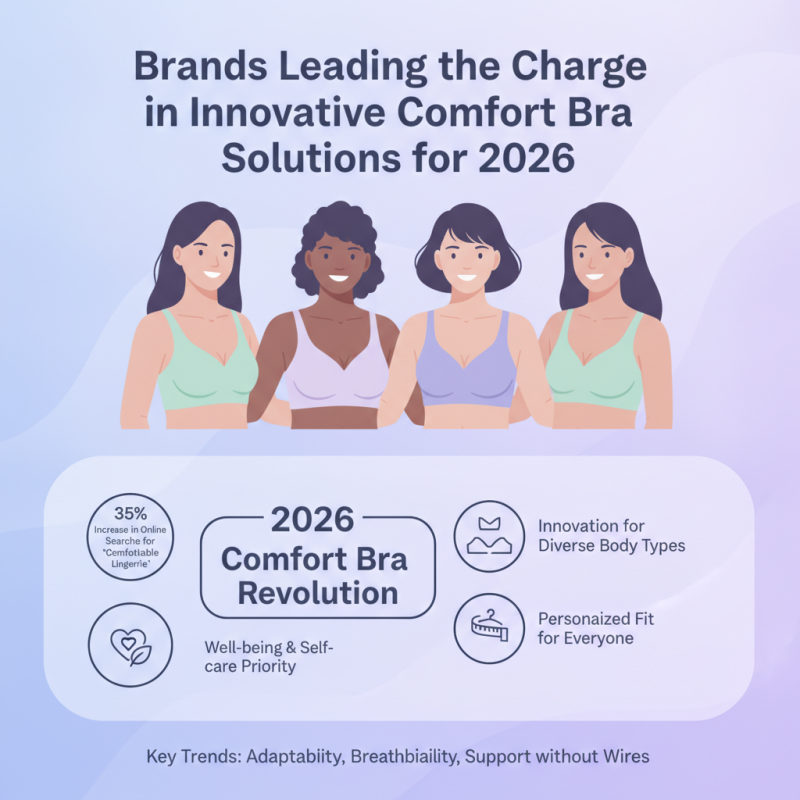
As we move into 2026, comfort bras are evolving in response to consumer demands. Industry reports suggest a 35% increase in online searches for comfortable lingerie. This trend reflects a growing emphasis on well-being and self-care, as consumers prioritize comfort over traditional aesthetics. Many brands are innovating to create bras that cater to diverse body types, ensuring that everyone can find a suitable fit.
Brands are embracing new materials and technologies to enhance comfort. Breathable fabrics and seamless designs are common trends. Reports indicate that 65% of women prefer bras that offer stretch without sacrificing support. This shift highlights the need for adaptability in bra design. While innovation is key, some products still fall short in durability or fit. Consumers often report issues with size consistency across different styles, leading to frustration.
Tips for finding the right comfort bra include:
- Always check size charts before purchasing. Sizes can differ by brand.
- Look for bras with adjustable straps. This feature helps achieve a better fit.
- Pay attention to material blends. Natural fibers can provide breathability.
In this evolving market, staying informed is crucial. Assessing personal comfort needs alongside product reviews can ensure better choices.