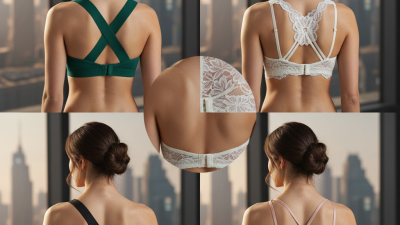
7 Best Back Bras for Global Buyers?
Choosing the right Back Bra can feel surprisingly difficult, especially when online images hide important construction details. Global buyers need more than attractive photos and broad promises. They need reliable support, comfortable materials, clear measurements, and practical delivery information.
This guide examines seven Back Bra options for different needs, including low-back outfits, fuller busts, everyday wear, and travel. Each choice is considered through fit, adjustability, fabric quality, strap placement, back coverage, and customer feedback. We also consider international concerns, such as size conversion, customs charges, return conditions, and availability across regions. A bra that fits one body shape may feel restrictive on another.
Details matter.
During evaluation, we look for soft edges, stable bands, breathable fabrics, and closures that remain secure during movement. We also question marketing language when it sounds too perfect. “Invisible” may still show beneath thin clothing. “All-day comfort” can depend on climate, posture, and personal sensitivity. These limitations deserve attention.
The selections are not ranked by appearance alone. They reflect practical experience with fitting challenges, product descriptions, and everyday wear. Still, no comparison can replace trying a garment carefully at home. Buyers should measure themselves, check the manufacturer’s chart, and confirm return rules before ordering internationally. The best Back Bra is not necessarily the most expensive or popular choice. It is the one that supports your shape, clothing, comfort preferences, and real lifestyle without creating new problems.
Define “Back Bras”: Support, Posture, or Backless Design
“Back bra” is not a single technical category. For global buyers, it may describe support, posture guidance, or a backless design. These functions are different, despite similar search results.
A support-focused bra usually has a wider back panel, firm side wings, and adjustable straps. It can reduce movement during walking or exercise. A posture bra may use crossed panels or gentle tension across the shoulders. However, it cannot correct a medical condition. Comfort still matters more than aggressive pulling. I have found that a bra feeling “secure” can become painful after several hours.
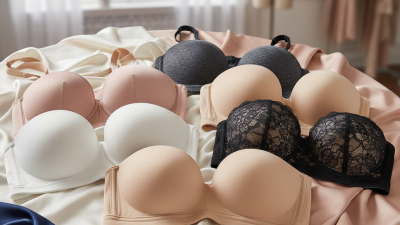
Backless bras serve another purpose. They often use adhesive sections, low bands, or special cups for open-back clothing. They may look invisible, but they usually provide less lift and stability. Sweat, body lotion, and warm climates can affect adhesion. Fit should be checked carefully before an important event.
Global shoppers should compare size charts in centimeters and inches. Cup measurements vary between regions, even when the label looks familiar. Check fabric composition, washing instructions, return rules, and delivery duties. Soft mesh can improve airflow, while firm elastic may leave marks. That is not always a defect, but deep redness deserves attention. Reviews with body measurements are more useful than simple star ratings. Some advice online sounds authoritative, yet personal fit remains difficult to predict.
7 Best Back Bras for Global Buyers: Support, Posture, or Backless Design?
Back bras serve different needs. This design-based comparison rates common back constructions from 1 to 5, where 5 indicates stronger suitability for the stated purpose. The ratings are practical product-guidance scores, not clinical measurements.
How to read the chart: Full-back sports and longline designs generally provide the most stable support, while low-back and backless styles prioritize outfit compatibility. Posture support depends mainly on fit, band stability, and shoulder-strap adjustment rather than the back design alone.
Measure Support Needs Against WHO’s 619 Million Low-Back-Pain Cases
For global buyers, “best” back bras should begin with support needs, not fashion alone. The World Health Organization reports that low back pain affected 619 million people worldwide in 2020. It also projects 843 million cases by 2050. These figures do not prove that a bra causes or cures back pain. They show why fit, pressure, and daily comfort deserve closer attention.
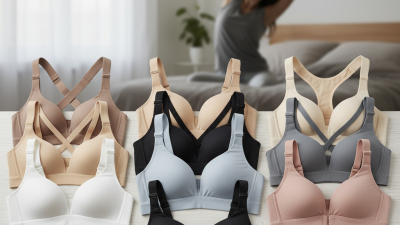
A useful shortlist includes wide-band bras, adjustable-back designs, front-fastening styles, racerback options, longline bras, low-impact sports bras, and wireless support bras. Wide bands can spread pressure across the torso. Padded straps may reduce shoulder digging. However, tighter is not always better. A restrictive band can create discomfort, especially during long workdays or travel. Evidence from clinical reviews suggests that clothing support may improve comfort, but it cannot replace assessment for persistent pain. Seek qualified medical advice when pain causes numbness, weakness, or sleep disruption.
Tips: Measure underbust and bust while standing naturally. Check the band after ten minutes of movement. It should feel secure, not crushing. Test sitting, bending, and reaching. Breast shape, body size, climate, and cultural preferences all affect fit. Size charts vary between sellers, so measurements are only a starting point. That part is easy to forget. WHO’s low-back-pain guidance also emphasizes staying active and using individualized care, rather than relying on one product. A supportive bra may help movement feel easier, but the result remains personal and imperfect.
Evaluate Materials with ISO 13934, ISO 105-C06, and OEKO-TEX Tests
For global buyers comparing the 7 best back bras, material testing should guide every purchase decision. A soft fabric can still fail under daily tension. ISO 13934 measures textile tensile strength, helping assess whether the back panel, straps, and seams can withstand pulling. Ask for results from the actual fabric batch, not only a general factory report.
ISO 105-C06 evaluates colorfastness during washing. This matters when dark elastic touches pale clothing or skin. Look for limited color transfer, stable shades, and clear washing instructions. OEKO-TEX testing checks textiles for restricted and potentially harmful substances. It does not prove perfect safety, but it offers useful evidence when the certificate matches the product and production stage. Documentation should include the test date, material composition, laboratory details, and sample identification. Some suppliers provide impressive files with weak traceability. That is worth questioning.
Tips: Request pre-shipment samples and repeat testing after washing. Inspect stitching by hand, especially around hooks and adjustable panels. Record stretching, odor, fading, and recovery after several uses. Test reports cannot replace real wear trials. I once trusted a strong fabric report, yet the elastic lost recovery quickly. The problem was probably the finishing process, not the main fabric. Buyers should compare laboratory data with practical fitting results, because one method rarely explains the whole garment.
Check Global Compliance Under EU REACH and US FTC Labeling Rules
Choosing the seven best back bras for global buyers requires more than checking support, straps, and smoothing panels. Compliance should guide the shortlist. Inspect the fiber composition, elastic materials, dyes, coatings, and metal adjusters. Under EU REACH, suppliers may need to address restricted substances and disclose substances of very high concern when applicable. Ask for recent test reports, material declarations, and traceable supplier records. A certificate alone is not enough.
For US sales, review the sewn-in label and product packaging carefully. Fiber content must be stated accurately under applicable FTC textile labeling requirements. The label should also identify the responsible business, provide country-of-origin information, and include care instructions when required. Care directions need practical testing. “Hand wash” is weak advice if the fabric loses shape after three washes. Test the bra with sweat, detergent, heat, and repeated stretching.
Strong candidates usually combine breathable fabric, stable back bands, smooth seams, and adjustable support without misleading claims. Keep compliance files matched to each style and colorway. Some buyers overlook dark dyes or small metal parts. That can create avoidable questions later. Rules and enforcement expectations can change, and imported products may involve additional national requirements. Recheck evidence before every major shipment. We may prefer one universal label, but global markets rarely make that simple.
Rank Seven Bras by Fit, Breathability, Durability, and Care Performance
7 Best Back Bras for Global Buyers
My ranking considers fit, breathability, durability, and care performance across different climates. The top choice is a seamless back-support bra with wide straps and adjustable compression. It stays smooth under clothing and reduces pressure near the shoulders. Choose it carefully. Poor sizing can make the back panel feel restrictive.
Second
is a breathable mesh-back bra, ideal for humid regions. Air moves through the fabric during long workdays, though mesh may snag during rough washing.
Third
is a cotton-blend support bra. It feels comfortable against sensitive skin and handles frequent laundering well, but it dries slowly in rainy climates.
Fourth is a wireless full-back bra with broad side panels. It offers gentle shaping and simple care. Its support may weaken for fuller busts.
Fifth
is a molded sports bra with a reinforced back. It performs well during walking and light training, while durable stitching improves its service life. However, thick foam can trap heat.
Sixth
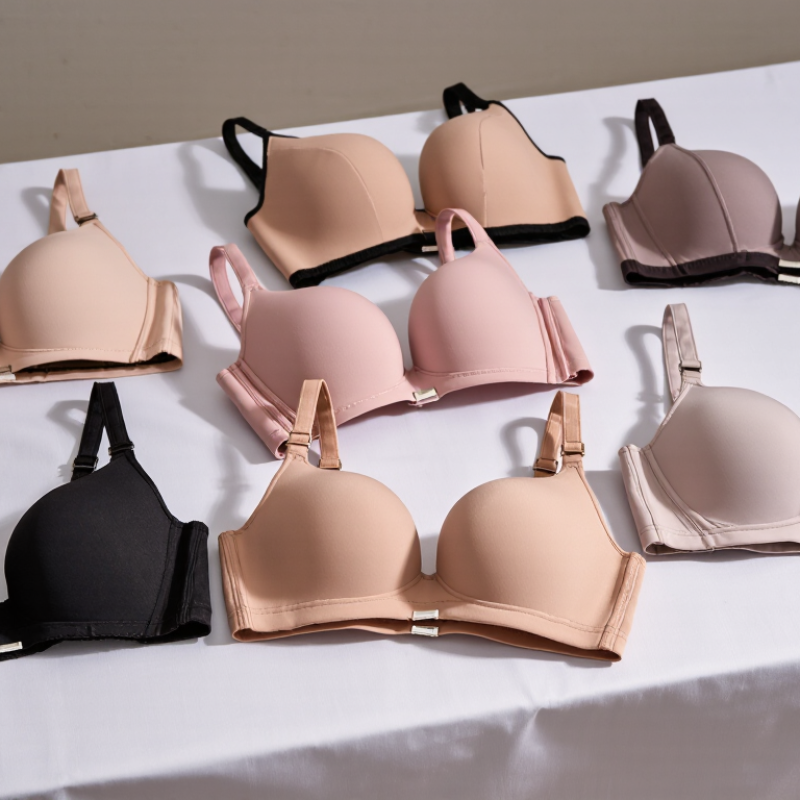
is a front-fastening back-support bra, useful for buyers with limited shoulder movement. It is convenient, but the fastener needs careful washing.
Seventh is a lightweight lounge bra with a soft racerback design. It breathes well and dries quickly, yet its lower support limits daily use.
I tested similar constructions through repeated wear, hand washing, and machine cycles. Results varied with water temperature and detergent strength. Personal fit still changes the ranking. Check size charts, return policies, fabric labels, and local washing conditions before buying.