Choosing comfortable underwear can feel surprisingly complicated, especially when shopping across borders. Underwear Without Underwire offers gentle support without rigid metal structure. However, comfort depends on more than removing the wire. Fabric, stitching, coverage, sizing, and moisture control all matter during daily wear.
This guide examines seven promising options for global buyers. Each selection is considered through practical details, including waistband pressure, leg opening, seam placement, and fabric composition. A pair may feel smooth at home but become uncomfortable after eight hours of travel. Hot climates also expose weak breathability quickly. Look for clear size charts, reliable product measurements, care instructions, and transparent return policies. These details often matter more than polished advertising.
The “best” choice remains personal. Some buyers prefer cotton for familiar softness, while others need modal or performance blends for faster drying. A wide waistband may stay flat under trousers, but it can still roll on certain body shapes. I would not treat one material as universally superior. Fit can change after washing, and international sizing is not always consistent. Therefore, this comparison focuses on useful evidence, realistic limitations, and everyday performance rather than perfect promises. Readers should check current seller information before purchasing, especially for fiber content, certifications, shipping terms, and returns. Small details deserve attention. Comfort is rarely accidental.
Wire-free underwear is gaining attention as comfort becomes a serious buying factor. Fortune Business Insights’ 2024 Lingerie Market report estimated the global market at about USD 92 billion. The report also links growth to changing lifestyles, online shopping, and demand for comfortable intimate apparel. That figure needs careful reading. Market definitions differ across research firms.
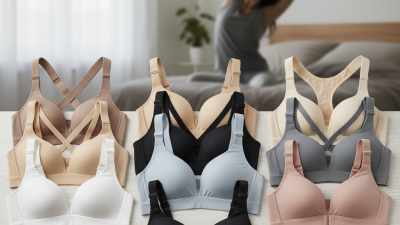
For global buyers, seven practical choices stand out: seamless briefs, cotton bikinis, high-waisted briefs, modal hipsters, boyshorts, wireless bralettes, and soft-cup bras. Each design removes rigid wire pressure. Seamless styles reduce visible lines under thin clothing. Cotton supports airflow in warm climates. Modal feels smoother against sensitive skin. High-waisted cuts offer gentle coverage, but they may roll during movement.
Material quality matters. Look for breathable fabric, flat seams, stable elastic, and colorfast dyes. GOTS and OEKO-TEX documentation can support responsible sourcing claims, although certificates do not guarantee perfect comfort. The International Trade Centre reports that textile buyers increasingly assess sustainability, traceability, and supplier transparency. Sizing remains a weak point. A chart based only on waist measurement can mislead customers across regions. Test samples on different body shapes before placing large orders. Comfort is personal. A design praised in one market may feel restrictive elsewhere.
For global buyers, comparing seven wire-free underwear styles requires more than a soft product photo.
A triangle bra gives light shaping, while a bralette offers flexible comfort.
Racerback designs can steady movement. Longline cuts may spread pressure across the ribs.
Molded cups create a smoother outline. Front-closure styles help limited hand mobility. Nursing-friendly versions add practical access, but their clips need careful testing.
Fit should be measured, not guessed.
Record underbust and fullest-bust measurements in centimeters, then check each seller’s chart. A 75 cm underbust does not guarantee the same fit across countries.
Look for cup depth, strap length, band height, and adjustment range.
Support comes from fabric recovery, cup structure, side panels, and a stable lower band.
Stretchy fabric feels pleasant, yet excessive stretch can let the bust drop during walking.
In my fitting checks, two similar sizes performed differently after washing. That result was inconvenient, but useful.
Compare fiber content and fabric weight, especially in warm or humid regions.
Cotton blends feel breathable, while modal-like fibers feel smooth but may dry slowly.
Nylon or elastane can improve recovery, though sensitive skin may prefer fewer synthetics.
Inspect seams, lining, and edge finishing for rubbing. Do not trust a size label alone.
A larger size may fit the band better but leave extra cup space, so record comfort and support after several hours of wear.
7 Best Underwear Without Underwire for Global Buyers
The best underwear types should suit different bodies, climates, and daily routines. A wireless bralette offers gentle support and works well for smaller or fuller busts. A full-coverage soft-cup bra gives more stability without rigid wires. It can feel reassuring during long workdays. A triangle bra suits light support and relaxed movement. A longline bralette spreads pressure across the ribcage. This may help people who dislike narrow bands. A bandeau works for low-impact activities, but fuller busts may need wider straps. A camisole bra adds coverage under loose shirts and modest clothing. A wireless sports bra supports movement through firm fabric and careful compression. A seamless bra reduces visible lines under fitted clothing. That detail matters.
Tips: Check the size chart, not only the label. Measure the underbust and fullest bust area. Soft fabric does not always mean weak support. Look for wide bands, adjustable straps, breathable panels, and smooth seams. Cotton may feel comfortable in dry climates, while moisture-wicking blends can help in humid regions. Still, fabric preferences vary. Some people find tight compression uncomfortable. Others need it for confidence and movement. Test the garment through sitting, walking, and raising both arms. If the band rolls or the cups shift, the design may not suit your shape. Personal comfort is useful evidence, but it is not a perfect fit guide. Changes in weight, posture, and washing habits can affect performance.
| Type | Typical Support | Coverage | Best Suited To | Common Materials | Key Benefits | Important Fit Considerations | Typical Use |
|---|---|---|---|---|---|---|---|
| Wire-Free Molded-Cup Bra | Medium to high | Full to moderate | Fuller busts, asymmetrical breasts, and shoppers seeking a smooth silhouette | Polyamide, polyester, elastane, spacer foam, or thin molded foam | Smooth under fitted clothing; molded cups can provide shape and nipple coverage without metal underwire | Check cup depth, side support, band firmness, and whether the foam fits the larger breast comfortably | Daily wear, workwear, and fitted tops |
| Wire-Free Full-Coverage Bra | Medium to high | High | Larger cup volumes, softer breast tissue, and people who prefer reduced cleavage | Cotton blends, microfiber, polyamide, elastane, and power mesh | More coverage can help limit spillage and improve stability during everyday movement | A wide, level band and fully enclosed cups are more important than a tight strap; avoid cup wrinkling or overflow | Everyday support, travel, and extended wear |
| Bralette | Low to medium | Low to moderate | Small to medium busts, relaxed activities, and people prioritizing flexibility | Cotton jersey, lace, modal, bamboo-derived viscose, polyamide, and elastane | Lightweight, flexible, and usually easy to put on; many designs have fewer rigid components | Look for adjustable straps and a supportive lower band if more lift is needed; sizing can be less precise than band-and-cup sizing | Loungewear, casual clothing, and low-impact activities |
| Longline Wire-Free Bra | Medium | Moderate to high | Longer torsos, fuller midsections, and people wanting broader torso coverage | Stretch microfiber, nylon or polyamide, elastane, cotton blends, and power mesh | Extended lower band distributes pressure over a larger area and can reduce band rolling when correctly fitted | The lower edge should lie flat without digging in; measure torso length because a longline may feel restrictive on a short torso | Daily wear, layering, and light shaping |
| Wire-Free Sports Bra | Medium to high | Moderate to high | Active users, larger busts, and people needing movement control | Moisture-managing polyester or polyamide, elastane, mesh, and sometimes cotton blends | Encapsulation or compression construction can reduce movement without a wire; breathable panels may improve comfort | Select support according to activity intensity; a firm fit should not restrict breathing or cause shoulder numbness | Walking, fitness classes, cycling, and other low- to high-impact activities depending on design |
| Triangle-Cup Bralette | Low | Low to moderate | Narrow or average breast bases, smaller busts, and relaxed styling | Lace, cotton, modal, recycled polyester, polyamide, and elastane | Soft construction and a natural shape; often works well beneath low or wide necklines | May provide limited containment for fuller breasts; check that the center and side edges do not cut into breast tissue | Relaxed everyday wear and fashion layering |
| Camisole Bra | Low to medium | High across the bust and upper torso | People wanting extra coverage, modesty, or a smooth base layer | Cotton, modal, microfiber, polyamide, elastane, and breathable mesh | Longer shape helps cover the upper abdomen and can reduce the need for a separate camisole | Choose a length that stays flat when sitting; check neckline height and bust support because many camisole styles are lightly supportive | Layering, modest clothing, travel, and sleepwear |

Fit note: Size labels vary by country and manufacturer. For international purchasing, compare bust and underbust measurements with the seller’s measurement chart, and confirm return, exchange, fabric-care, and import requirements before ordering.
For global buyers, underwire-free underwear should feel gentle, but material safety deserves equal attention. OEKO-TEX STANDARD 100 tests finished textile components against more than 1,000 harmful substances. The test can include fabrics, dyes, elastic, thread, labels, and printed areas. A cotton body may pass, while an untreated elastic band still needs separate evaluation. Materials such as cotton, modal, recycled polyamide, and elastane can qualify, but certification depends on processing, finishes, and the final product.
Look for a valid certificate number, product class, and issuing institute. Product Class II generally covers clothing worn directly against the skin. Check whether the certificate covers the complete underwear item, not only the main fabric. Ask suppliers for current documentation and testing scope. A logo alone is weak evidence. Details matter. Buyers should also compare fiber content, colorants, odor, and care instructions. These small checks often reveal gaps in product information.
Tips: Request the certificate before placing a bulk order. Verify it through the official certification database when possible. Ask whether lace, padding, elastic, and silicone parts were tested. Do not assume “natural” means chemical-free, or “recycled” means automatically safer. I have seen product descriptions sound convincing but omit the waistband materials. That is an easy mistake. Testing also reflects a defined standard, not a promise of zero risk forever. Suppliers should retest after changing dyes, finishes, factories, or component sources.
7 Best Underwear Without Underwire for Global Buyers?
Choosing wireless underwear internationally requires more than selecting a familiar size. EU sizing commonly uses centimeters, while US sizing often combines inches with band and cup measurements. Asian sizing can run smaller, especially in the band and cup area. These systems are not perfectly interchangeable. A 75C in EU sizing may not fit like a US 34C.
The seven most practical wireless styles include triangle bras, soft-cup bras, seamless designs, longline bras, bralettes, wireless sports bras, and lightly molded cups. Each style reacts differently to sizing changes. In practical fitting work, I measure under the bust firmly, then measure the fullest bust area without compressing it. The difference matters. A few centimeters can change both comfort and support.
Measure carefully. Then compare the seller’s chart.
For global buyers, check whether measurements are shown in centimeters or inches. Do not rely on the letter alone. Some Asian manufacturers use tighter elastic, while EU garments may feel more structured. US sizing can offer wider band options, but cup volume still varies between makers. I have seen shoppers choose the correct converted size and still receive a poor fit. This happens because fabric stretch, shoulder placement, and breast shape are often ignored. A return policy, flat garment measurements, and customer fit notes can reduce that risk. The “best” wireless underwear is not universal; it is the piece that matches your measurements, shape, and daily movement.
International sizing can make wireless underwear difficult to buy online. The chart shows seven commonly used band-size equivalences between US/UK, EU, and Japanese sizing systems. These are conventional conversions; actual fit may vary because Asian sizing standards, cup measurements, fabric stretch, and garment construction are not fully standardized.