Leave Your Message

How to Find the Best Booster Bra Manufacturer in China?

Choosing the right Booster Bra manufacturer in China takes more than comparing unit prices. Buyers need to assess fit, construction, materials, quality controls, and communication before committing to an order. A smooth sample is encouraging. It is not proof of consistent bulk production.

The World Trade Organization’s Global Trade Outlook and Statistics 2024 reports that China exported about US$3.38 trillion in merchandise in 2023, representing roughly 14.2% of global exports. That scale reflects China’s broad manufacturing and export capacity, but it does not verify any individual bra factory. The World Bank’s 2023 Logistics Performance Index ranked China 19th overall, offering useful context on trade logistics—not a guarantee of delivery times or product quality. Check a supplier’s own records.

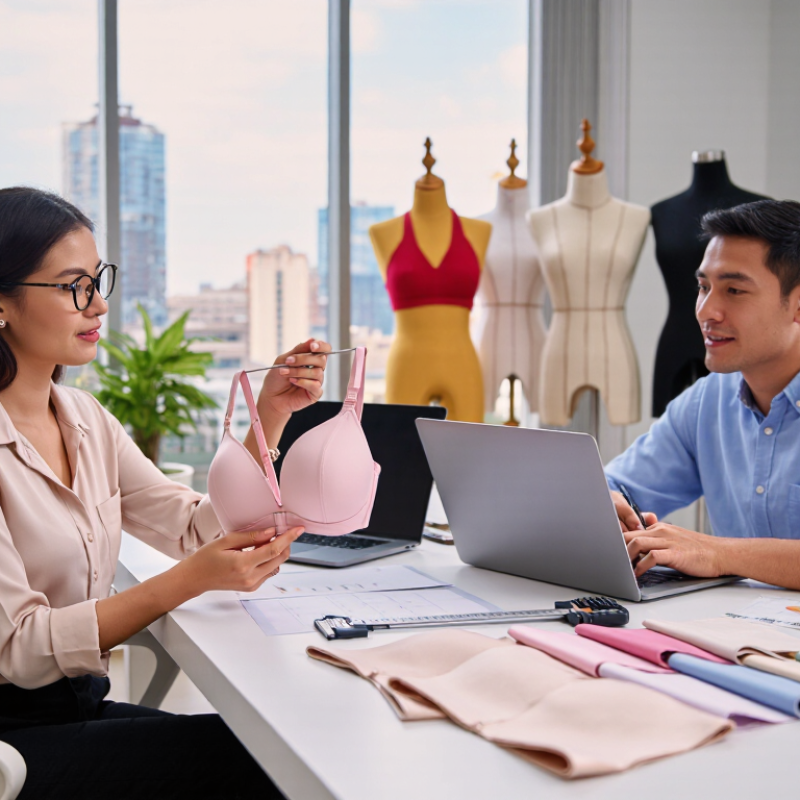
For a Booster Bra, small construction details can change comfort and appearance: cup shape, strap placement, padding thickness, and stitching around the band. Ask how the factory grades sizes, tests samples, sources fabrics, and handles defects. Request clear specifications and inspect a production sample against them. Where possible, verify the facility and quality process through a qualified third party.

Compare suppliers on the same brief. Confirm minimum order quantities, sample lead times, production capacity, and communication expectations in writing. Ask for relevant product experience, not just a broad factory profile. One awkward point deserves attention: the lowest quote can look persuasive before revisions, freight, or inconsistent sizing appear. A careful review cannot remove every risk, but it can make the choice more evidence-based.

How to Find the Best Booster Bra Manufacturer in China?

Understand Booster Bra Types and Define Your Product Requirements

Booster bras are not one construction. A push-up style uses angled or graduated padding to lift and shape the bust. A pocketed design accepts removable inserts, while a plunge cut suits lower necklines. Strapless versions need supportive wings and secure fit, not simply thicker cups. Small details matter. A smooth molded cup may disappear beneath a T-shirt, yet feel too warm in humid weather. Define the intended wearer, outfit, and climate before choosing a type.

Before contacting a manufacturer, record your requirements: size range, cup shape, padding thickness, fabric, strap width, closure, colors, and target level of lift. State whether inserts should be removable and where seams may show. Use measurable details where possible, such as strap length adjustments or pad dimensions. Ask how materials and construction will be checked, and request a sample before confirming production. Fit-test it across several sizes, then check comfort after movement and washing. The first sample may still feel wrong at the underarm. That is useful feedback, not a failure; revise the specification and test again.

Identify Potential Booster Bra Manufacturers in China

Identify potential booster bra manufacturers by mapping China’s lingerie and seamless-knit supply clusters. Guangdong, Zhejiang, and Fujian offer useful starting points, but location alone proves little. China’s textile and apparel exports reached about US$293.6 billion in 2023, according to China National Textile and Apparel Council figures based on customs data. That scale signals broad capacity, not automatic expertise in supportive bras. A large factory may still lack the right cup-molding or bonding equipment.

Search trade directories, sourcing platforms, and industry exhibitions, then shortlist factories that make bras rather than general garments. Request a current product list, production-flow photos, and details of machinery for molding, elastic attachment, and stitching. Ask for evidence. Check whether the listed factory address matches the business registration and sample-room location. One spreadsheet is never enough.

Then compare practical details: minimum order quantities, sample lead times, fabric sourcing, and quality checks for band stretch and strap recovery. Ask how staff inspect seams and measure size consistency across a production run. Request a sample in your intended fabric and construction, not a substitute. Wear-test it after washing, and record fit notes. I still treat a polished sample cautiously; bulk production can differ. Clarify who owns patterns and how material changes are approved before placing a trial order.

How to Identify Potential Booster Bra Manufacturers in China

Prioritize product quality and fit, then verify production capability, compliance documentation, sampling, and communication. Request supporting evidence—such as product test reports, sample evaluations, and production records—before shortlisting suppliers.

The percentages are an illustrative buyer-defined screening framework, not market statistics or measured supplier performance. Adjust the weighting to match your product requirements.

Assess Manufacturing Expertise, Quality Standards, and Compliance

How to Find the Best Booster Bra Manufacturer in China? Assess Manufacturing Expertise, Quality Standards, and Compliance

A capable manufacturer should explain how it builds support into each booster bra, not just show polished samples. Ask about cup molding, padding density, strap attachment, and stitching around high-stress seams. Request a sample made with the same materials and construction planned for production. Check fit, symmetry, and comfort after repeated wear and washing. Small details matter. Review the factory’s quality procedures, inspection records, and ability to trace materials by batch. Specific evidence is more useful than broad promises.

Tips: Ask for recent test reports covering fabric composition, colorfastness, and durability. Confirm that labels and product documents meet the requirements of your intended sales markets. Keep written records of agreed specifications and sample changes.

Compliance depends on where the product will be sold, so clarify requirements before placing a bulk order. Review documentation with a qualified testing or compliance professional when needed. During a factory visit or remote audit, compare written procedures with actual workstations and inspection logs. A neat sample room does not guarantee consistent production. Even a detailed audit has limits; a pilot order can reveal issues that paperwork misses. Check a small production batch before approving larger quantities.

Compare Samples, Pricing, Minimum Orders, and Lead Times

How to Find the Best Booster Bra Manufacturer in China?

Compare Samples, Pricing, Minimum Orders, and Lead Times

Request samples in your intended fabric, color, and size range. Check support, band recovery, seam comfort, and whether the cups keep their shape after washing. A polished sample can hide inconsistent stitching inside. Ask for a revised sample if measurements or materials differ from your specification. Compare itemized quotes, including sample fees, packaging, and any charges for custom fabrics. Textile Exchange’s 2024 Materials Market Report estimated global fiber production at 124 million tonnes in 2023. Material choice matters: confirm fiber content and fabric availability before approving a price.

Ask whether the minimum order applies per style, color, or size. A low MOQ may still require a costly fabric commitment. Request a production schedule with separate dates for fabric sourcing, bulk production, inspection, and shipment. The World Bank’s 2023 Logistics Performance Index rated China 3.7 out of 5 overall; this country-level score offers context, not a promise of factory lead times. Verify timing directly, and ask what happens if materials arrive late. A quote that looks simple may not be.

Tips: Send the same tech pack to each factory. Compare sample notes, landed costs, MOQ terms, and written lead-time milestones side by side. One approved sample is not enough. That is easy to overlook.

Verify the Manufacturer and Establish a Working Partnership

Before discussing prices, verify that the supplier actually manufactures booster bras rather than only trading finished goods. Ask for a live video tour of the production floor, or arrange an independent factory visit. Look for cutting tables, sewing lines, quality-check stations, and samples at different production stages. Request recent examples of similar orders, with customer details removed if needed. Specific answers matter. Ask which fabrics, padding, and closure options the factory can source, and how it checks sizing consistency. A polished showroom is not proof of production capacity. I would treat any single document or video as one piece of evidence, not a guarantee.

Build the working relationship around clear, written expectations. Share a product specification sheet with measurements, materials, stitching details, packaging, and acceptable sample changes. Agree on sample approval, production milestones, inspection points, and how delays or defects will be reported. Keep the first order manageable, then review fit, workmanship, and communication before increasing volume. Useful, but not foolproof. A factory may promise a fast response and still miss a detail, so confirm key decisions by email or another written channel. Pay attention to how staff handle questions: careful explanations and timely updates often reveal more than a sales presentation. Some things only become clear during sampling. Allow time for revisions, and record what needs improving before bulk production begins.

How to Find the Best Booster Bra Manufacturer in China? - Verify the Manufacturer and Establish a Working Partnership

Use these practical checkpoints to assess a potential supplier. Benchmarks are indicative planning ranges, not guarantees; confirm requirements, timelines, and evidence directly with each manufacturer.

Verification area What to check Useful evidence or benchmark Partnership action
Manufacturer identity Confirm the legal entity, business scope, production address, and whether the supplier is a factory, trading company, or both. Request a current business license and compare its registered activities and address with the supplier’s stated operation. Arrange a live video tour or independent site visit. Put the contracting legal entity, production location, and responsibility for subcontracting in writing.
Product capability Check experience with the specific booster bra construction: padding or inserts, cup shaping, adjustable straps, closures, and size range. Review relevant samples, construction details, size-set capability, and examples of materials and finishes. Ask which operations are performed in-house. Share a technical pack with measurements, tolerances, materials, grading rules, and labeling requirements before requesting a quotation.
Sampling and fit Evaluate fit consistency, support, comfort, symmetry, stitching, and the supplier’s process for revisions. Agree on a sample plan and written approval criteria. A first prototype may take roughly 1–3 weeks, depending on materials, complexity, and feedback cycles. Record each sample revision, comments, measurements, and final approved reference sample before bulk production.
Materials and compliance Verify fabric, elastic, foam, trims, and skin-contact components against the destination market’s applicable requirements. Request material specifications, available test reports, and traceability details. Confirm that reports match the exact material, color, and production source being used. Define who supplies, tests, approves, and pays for materials and required compliance testing in the purchase agreement.
Quality management Assess incoming-material checks, in-line inspections, final inspection, defect handling, and corrective-action procedures. Ask for a sample inspection record or quality checklist. Agree on measurable specifications and an inspection plan; any AQL level should be mutually defined rather than assumed. Set pre-production, in-line, and final inspection points, plus a documented process for rework, replacement, or credit.
Capacity and lead time Check available production capacity, peak-season constraints, material lead times, and the proposed shipment schedule. Request a production calendar and an order-specific timeline. Bulk lead times often vary substantially; a planning estimate may be several weeks after approvals and material readiness. Use milestone dates for material approval, pre-production sample, production start, inspection, and shipment; agree how delays are communicated.
MOQ and cost transparency Clarify minimum order quantities by style, color, and size, along with charges for sampling, custom materials, labels, and packaging. Compare itemized quotations that state currency, validity period, price basis, inclusions, and any cost changes tied to order volume or material selection. Confirm the final specification and commercial terms before issuing a purchase order; document how approved changes affect price and schedule.
Communication and accountability Evaluate response clarity, named points of contact, escalation paths, and willingness to report problems early. During sampling, track response times and whether answers include specific actions, owners, and dates. Confirm working hours and preferred communication channels. Create a shared action log and agree on a regular progress update cadence for sampling and production.
Contract and payment terms Review specifications, delivery terms, payment milestones, ownership of custom artwork or tooling, confidentiality, and dispute handling. Make sure the quotation, purchase order, and agreement are consistent. Verify beneficiary details through an independent channel before sending payment. Begin with a clearly scoped trial order and use written approvals and traceable payment records.

Decision rule: Prioritize verifiable records, product-specific capability, transparent costing, and consistent follow-through over unsupported claims or the lowest quotation alone.