Top Push Up Bra Manufacturers for Global Buyers
Global buyers are rethinking what makes a Push Up Bra successful. Shape still matters, but comfort, fit accuracy, traceability, and repeat purchasing now carry equal weight. Grand View Research identifies product innovation and online retail as important forces in the global lingerie market. Euromonitor International also highlights stronger consumer interest in quality, value, and responsible sourcing. These trends affect every supplier shortlist.
Jene Luciani, author of The Bra Book, offers a practical fitting principle: “A bra should fit the body, not force the body to fit the bra.” Her observation remains relevant for international procurement teams. A beautiful sample means little if the underwire pinches after eight hours. Buyers should inspect cup grading, strap recovery, foam density, hook strength, and size consistency across production runs. They should also verify factory audits, material certificates, testing records, minimum order quantities, and delivery performance.
This guide reviews leading Push Up Bra manufacturers for global buyers, focusing on measurable capabilities rather than polished catalogs. It considers OEM and private-label experience, export coverage, customization, production capacity, and communication quality. Circana’s apparel research continues to show that consumers are cautious with discretionary spending, making durability and perceived value especially important.
No ranking is perfect. Supplier performance can change by season, order size, and market. A factory may excel at molded cups but struggle with extended sizing. That detail matters. The strongest manufacturer is not always the largest one. It is the partner that can deliver consistent fit, honest documentation, and commercially viable quality.
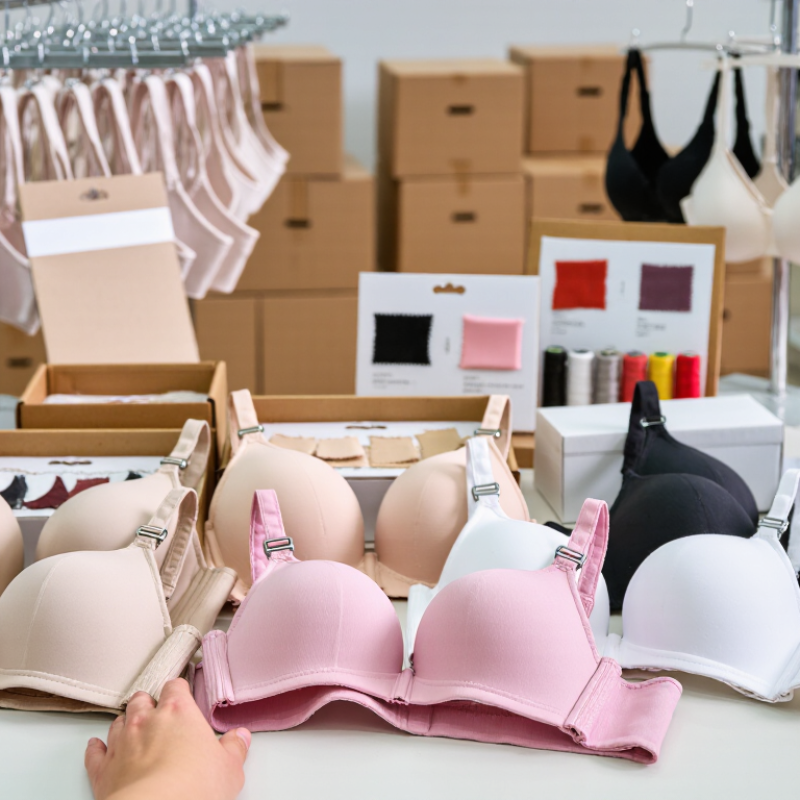
Push-Up Bra Manufacturing: Core Products, Materials, and Expertise
Top Push Up Bra Manufacturers for Global Buyers
Push-up bra manufacturing begins with fit, not decoration.
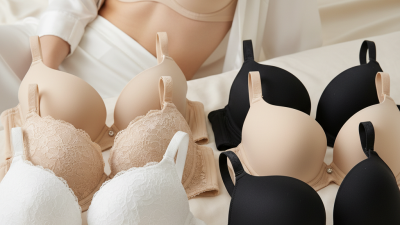
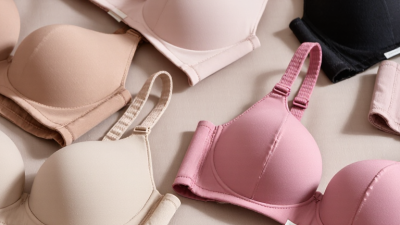
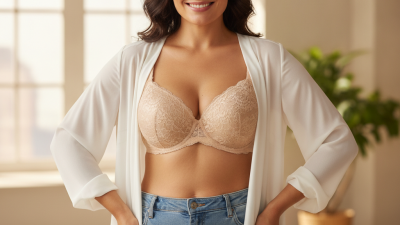
Core products include lightly padded, graduated, plunge, balconette, and convertible styles. Each design needs a different cup shape and support balance. Experienced manufacturers test samples on several body sizes. A bra that fits one model may pinch another. This is where technical judgment matters.
Common materials include nylon, polyester, elastane, microfiber, lace, and molded foam.
Nylon offers a smooth hand feel and strong recovery. Elastane helps bands and straps retain their shape. Molded foam creates lift, but excessive thickness can reduce comfort. Some buyers request recycled fibers or low-impact dyeing. Material certificates and laboratory reports should support these claims. Do not rely only on a supplier’s product sheet.
Construction details reveal manufacturing expertise.
Check stitching density, wire-channel security, hook alignment, strap adjustment, and cup symmetry. Reliable factories usually provide pre-production samples, measurement charts, inspection records, and clear production timelines. They should also explain minimum order quantities and packaging options. Global buyers need consistent communication across time zones. It prevents small changes from becoming expensive errors.
No factory gets every fit right.
Even skilled teams may revise the bridge or side wing after wear testing. This is normal. Buyers should request wash tests, stretch recovery checks, and colorfastness testing before approval. A practical supplier accepts feedback and records each correction. That discipline often matters more than a polished showroom sample.
How to Evaluate Push-Up Bra Manufacturers for Global Sourcing
Selecting top push-up bra manufacturers requires more than comparing prices. A reliable supplier should show production experience, clear quality controls, and consistent communication. Request recent samples in several sizes, not only a perfect showroom piece. Check cup symmetry, foam recovery, strap strength, stitching density, and hook alignment. Samples reveal more.
For global sourcing, review the factory’s material records and testing procedures. Ask how suppliers verify fabric composition, colorfastness, skin-contact safety, and elastic performance. A manufacturer should explain inspection points before sewing, during assembly, and before packing. Factory audits can confirm equipment, worker training, storage conditions, and production capacity. Photos help, but direct evidence is stronger. Video calls are useful, though they can hide inconvenient details.
Commercial terms also deserve careful review. Compare minimum order quantities, sample charges, tooling costs, payment stages, lead times, and replacement policies. Confirm carton markings and shipping documents before placing a bulk order. I have seen attractive quotations become expensive after repeated sample changes and late approvals. That gap matters. Keep a written measurement chart and approval record. Even experienced buyers miss small fit differences between sizes. A practical trial order can expose weak adhesive bonding, uneven padding, or delayed responses before a larger commitment. Supplier evaluation is never perfectly clean; assumptions should be tested, recorded, and challenged.
Top Push-Up Bra Manufacturers for Global Buyers
How to Evaluate Push-Up Bra Manufacturers for Global Sourcing
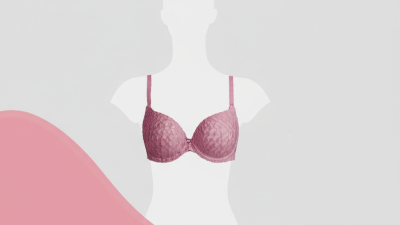
This buyer-focused evaluation framework assigns the highest priority to product quality and regulatory compliance, followed by minimum-order flexibility, lead-time reliability, cost competitiveness, customization capability, and sustainability traceability. Buyers can use these weighted criteria to compare qualified manufacturers without relying only on quoted prices.
The percentages represent a practical sourcing scorecard for supplier evaluation, not rankings or performance claims about specific companies.
OEM, ODM, and Private-Label Services for International Buyers
Top Push Up Bra Manufacturers for Global Buyers
OEM, ODM, and Private-Label Services for International Buyers
Reliable push-up bra manufacturers help international buyers turn product ideas into repeatable production. OEM services follow your technical pack, measurements, fabric choices, and packaging instructions. ODM services offer existing patterns that can be adjusted for fit, color, trims, and support levels. Private-label production adds your labels, care instructions, boxes, and retail presentation.
A capable factory should explain its process clearly.
Ask about sample development, size grading, fabric testing, stitching standards, and quality inspections. For example, a sample review may check cup symmetry, underwire placement, strap strength, and recovery after washing. Experienced manufacturers can also suggest molded foam, microfiber, lace, or breathable lining based on the target market. These details affect comfort, returns, and customer trust.
The first sample is rarely perfect. That matters. A rushed approval can create uneven cups or uncomfortable pressure points.
Buyers should request a written quotation with minimum order quantities, lead times, payment stages, and inspection terms.
Factory audits, production photos, and documented test reports can provide useful evidence, but they should not replace independent checks. Some suppliers communicate well before payment and poorly afterward, which is an uncomfortable risk. Clear milestones and approved reference samples help reduce confusion. Private-label buyers should also confirm carton markings, barcode placement, and packaging durability before mass production begins.