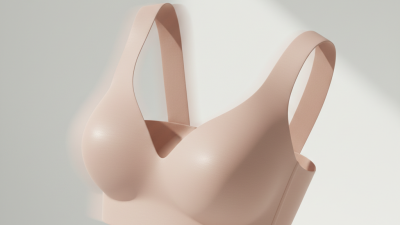
Offering Bra Customization to global buyers requires more than adding colors or changing a logo. It demands careful control of fit, materials, production details, and communication. A buyer in London may request fuller coverage, while a retailer in Southeast Asia may prefer lighter fabrics and breathable mesh. These differences affect patterns, support levels, sizing charts, packaging, and customer expectations.
A reliable customization process begins with a clear technical brief. It should define cup construction, strap width, hook settings, fabric composition, lining, trims, size range, and target price. Experienced suppliers can support sample development, grading, wear testing, and quality inspections. They should also explain what can be produced consistently, not merely what looks attractive in a sample. Small details matter. A loose elastic can change comfort after several washes.
Global projects also require responsible compliance planning. Labeling, fiber claims, chemical safety, product testing, and packaging rules may differ by destination. Buyers should verify requirements with qualified local specialists before mass production. Supplier audits, written specifications, inspection records, and secure handling of design files can improve trust.
No system is flawless. Even a carefully measured prototype may need revision after real wear testing. That is normal. The strongest partnerships leave room for honest feedback, slower decisions, and practical correction. This guide explores how brands can build Bra Customization programs that remain attractive, manufacturable, transparent, and dependable across international markets. Fancy options help. Consistent execution matters more.
Global bra customization should begin with a shared measurement language. ISO 8559-2 defines how body measurements are identified and taken, including bust and underbust references. EN 13402 then supports size communication through body dimensions, rather than vague labels such as “medium” or “large.” This distinction matters. A buyer in Germany and a buyer in Canada may use different size names, yet request the same body measurements.
Set the customization scope around measurable options. Confirm bust girth, underbust girth, cup volume, strap length, and closure position. Record the measuring posture, tape placement, and tolerance for each value. A 1–2 centimetre tolerance can affect support and comfort. It should be written into the specification, not discussed casually by email. Sample photos help, but they cannot replace measurement records.
Industry data shows why this process deserves attention. The National Retail Federation and Appriss Retail reported that U.S. retail returns reached 14.5% of annual sales in 2023, while online returns reached 17.6%. Fit is not the only cause, but unclear sizing increases avoidable risk. McKinsey and The Business of Fashion also identify personalization as a continuing apparel opportunity in The State of Fashion 2024. Still, customization can become too complicated. Our first scope may be too broad. Review failed samples, revise the measurement table, and keep only options that improve fit without slowing production.
Collecting five core measurements creates a practical starting point for global bra customization. Use underbust circumference, full bust circumference, breast root width, bust-point distance, and torso length. Record each measurement with clear landmarks, posture instructions, and repeat checks. Small errors matter. A one-centimeter difference can change band tension or cup coverage.
The SizeUK anthropometric survey analyzed about 11,000 three-dimensional body scans. It showed substantial variation in body shape, not only clothing size. More recently, the 8th Size Korea survey measured 6,839 participants across multiple age groups. These datasets support a critical point: one national size chart cannot represent every buyer. Compare measurement distributions across target markets. Do not simply convert local sizes using one formula.
Test the measurement system with real fittings. Recruit participants from each market, including different ages and body proportions. Check wire width, cup depth, strap position, and band pressure. Record where the garment fails. Our first fitting rounds may expose weak assumptions. That is useful evidence, not a setback. A 2024 State of Fashion report also identifies personalization as an important direction in apparel retail, but customization must remain measurable.
Store both raw measurements and fit outcomes. Review them quarterly. Improve the algorithm when repeated complaints cluster around the same area. Five measurements are efficient, but they are not complete. Dense breast tissue, asymmetry, and posture can still require manual review.
Global bra buyers need more than a size selector. They need a clear way to understand regional differences.
A reliable conversion table should map both band and cup sizes across major measurement systems. Show examples such as 75C, 34C, and 10C in the same row. Keep the order consistent. Buyers should not hunt for matching information.
Begin with the buyer’s underbust and bust measurements. Explain how to measure with a soft tape, standing naturally, without pulling it too tightly. Then connect those measurements to regional band numbers and cup letters.
Add a note that cup volume changes with band size. For example, 75D and 80C may have similar volume, but they will not fit identically.
We have found that regional tables are helpful, but they are never perfect. Body shape, fabric stretch, and personal comfort still affect the final choice.
Tips:
“If the band feels loose, try a smaller band with a larger cup.”
A short fit note can prevent confusion: “If the band feels loose, try a smaller band with a larger cup.” Review customer feedback regularly. Some entries may need correction, and that is normal. Offer measured support through trained staff when the table cannot answer a buyer’s question.
Global buyers need more than a standard bra catalog. They need a practical customization path. Segment buyers by order volume, price target, fit needs, and launch urgency.
Startups may prefer soft cotton-spandex blends, removable pads, and low-risk sampling. A 100-piece MOQ can support market testing. Established retailers may request molded cups, wider size ranges, and stronger recovery fabrics. Their MOQ could begin at 500 pieces. Distributors often need stable colors, repeatable measurements, and packaging flexibility. Recycled polyamide, microfiber, and lace can serve different price levels. Material choices must match stretch, wash performance, skin comfort, and support goals.
Support levels should be clearly defined. Light support suits lounge bras and smaller cup ranges. Medium support may require wider straps and firmer side panels. High support often needs reinforced seams, encapsulated cups, or carefully tested underwire construction. Fit samples should be reviewed before bulk production. Measure the underband, cup depth, strap position, and center front. Small errors become expensive later.
Lead times should reflect development complexity. Stock fabric may allow 25 to 35 days after approval. Custom dyeing, molded components, or special trims can extend production beyond 50 days. Build a written approval schedule with sample dates and inspection points. However, estimates are never perfect. A color may shift between lab dips and bulk fabric. A first fit can also expose unexpected pressure near the armhole. Honest communication and documented corrections create more reliable global partnerships.

Global bra customization depends on accurate fit data, but measurements, photos, and size preferences can identify shoppers. Under GDPR, collect only data needed for fitting. State the purpose clearly before checkout. Use explicit consent where appropriate, and provide deletion options.
The European Data Protection Board stresses accountability, privacy by design, and limited retention. Cisco’s 2024 Data Privacy Benchmark Study also reported that 94% of organizations believe privacy investment delivers business benefits. Still, storing every fitting record forever is difficult to justify.
Product safety requires a separate control process. REACH can restrict substances in elastics, dyes, metal adjusters, foam, and packaging. ECHA’s 2024 enforcement project reported non-compliance in about 18% of inspected products across its scope. That figure is a warning, not a prediction for every bra.
Request supplier declarations, material compositions, and laboratory test reports. Keep batch numbers beside test results. Test finished products, not only raw fabric. A compliant fabric can change after dyeing or finishing.
Tips: Build a short privacy notice into the fitting tool. Use encrypted storage and role-based access. Set an automatic deletion period.
Ask suppliers to confirm REACH status in writing. Recheck high-risk components after every material change. Do not rely on old certificates without checking their scope.
My practical concern is simple: teams often verify fabric, then overlook hooks, prints, or adhesive layers. That gap deserves review.