Top 10 Best Bra Manufacturers You Should Know?
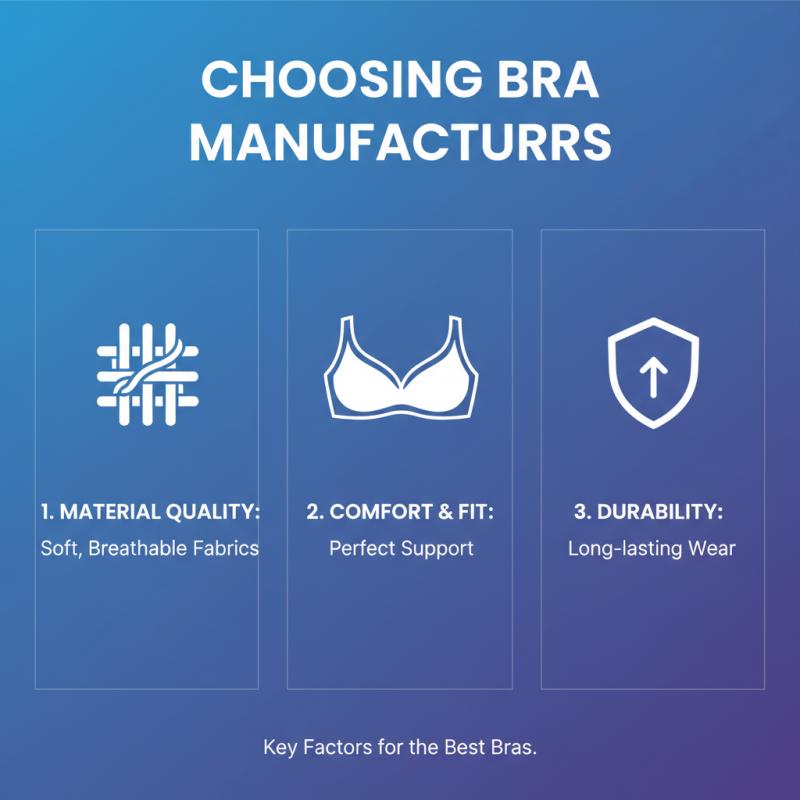
When it comes to finding the perfect bra, the choice of a reliable Bra Manufacturer plays a vital role. Each brand offers something unique, from comfort to style and support. It can be overwhelming to navigate through countless options available in the market.
Many factors differentiate one Bra Manufacturer from another. Some focus on fashion-forward designs, while others prioritize functionality and fit. Every woman’s needs are distinct, making the search for the right manufacturer crucial. The bra is a staple piece in any wardrobe, yet the right fit can often feel elusive.
This journey is not without its challenges. There are manufacturers with inconsistent sizing or designs that do not cater to diverse body types. This reality begs for thoughtful consideration when selecting a brand. We invite you to explore our top picks of Bra Manufacturers that stand out for their quality and innovation. Each of these brands has something that resonates with different preferences. They strive to meet the needs of women, but as with anything, there's always room for improvement.
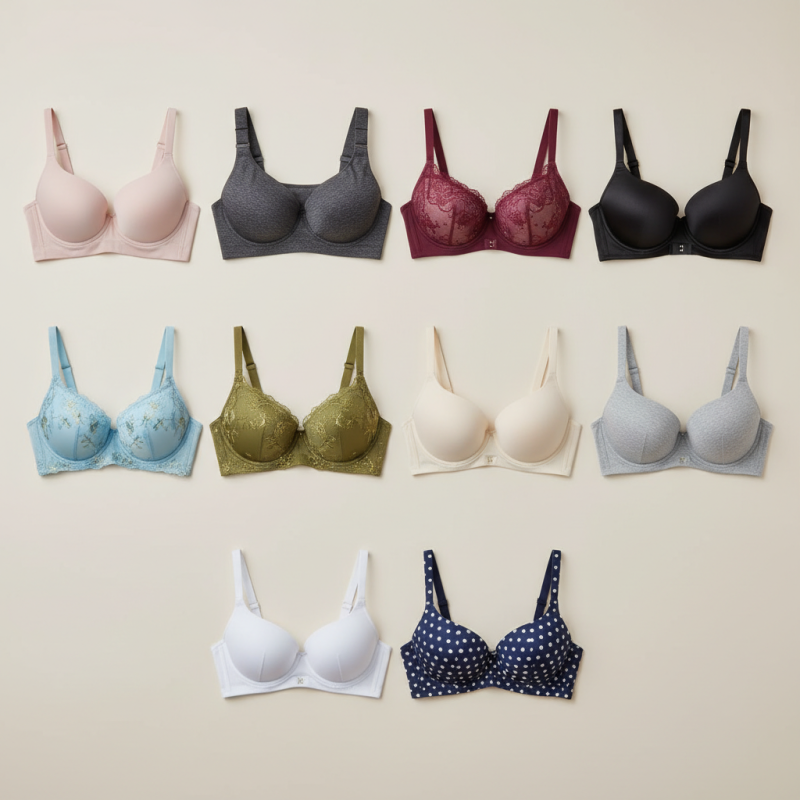
Overview of the Women’s Underwear Market and Bra Manufacturers
The women's underwear market is vast and diverse. It includes a variety of products from everyday bras to specialty ones. Consumers have different needs based on comfort, style, and support. Some seek underwire options while others prefer wireless. This diversity leads to strong competition among manufacturers.
Many brands focus on sustainability now. Eco-friendly materials are gaining traction. Shoppers are becoming more aware of the environmental impact. This shift influences manufacturers to rethink their production processes. Yet, not all brands succeed in balancing sustainability and cost. It's a tough challenge that requires creativity.
Tips: Consider your body type as you shop. Different shapes may require different styles. Don’t hesitate to try on various options to find your comfort zone. Also, remember to replace bras regularly. Over time, elasticity diminishes, affecting support. Finding the right fit can enhance confidence and comfort significantly.
Top 10 Bra Manufacturers: A Closer Look at Each Brand
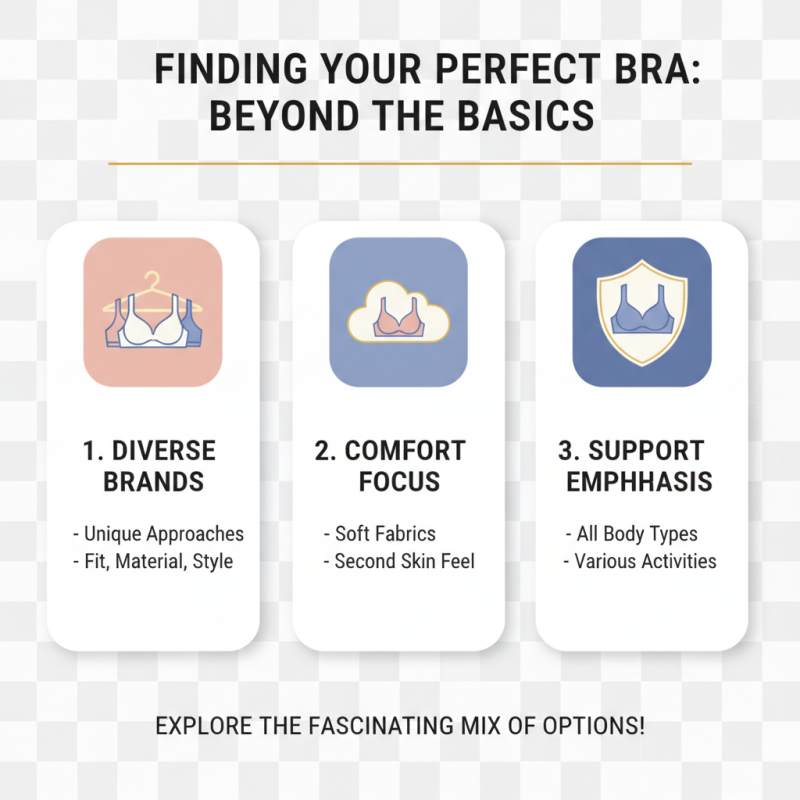
When it comes to finding the perfect bra, many consumers often overlook the diverse brands out there. Each manufacturer has its own unique approach, focusing on fit, material, and style. Some brands prioritize comfort, using soft fabrics that feel like a second skin. Others emphasize support, designing bras for a variety of body types and activities. This brings a fascinating mix of options to the market.
One interesting aspect is the way brands connect with their audience. Many manufacturers now engage in sustainability efforts. They use eco-friendly materials and ethical production processes. But this raised questions about the quality and durability of their products. Balancing eco-conscious choices with lasting design can be tricky.
Consumers also face challenges when choosing the right sizing. Each brand varies in their sizing charts, leading to confusion. Shopping in stores can help, but online shopping remains popular. Here, you may not always get the same fit. It’s essential to read reviews and check return policies. This helps navigate the complex world of undergarments and find the right fit. Each purchase holds the potential for comfort and style, but it’s a journey that requires understanding.
Innovative Technologies in Bra Manufacturing
The bra manufacturing industry is undergoing rapid transformation. Innovative technologies are reshaping how bras are designed and produced. Companies are now using advanced materials that offer greater breathability and flexibility. These innovations ensure a better fit and comfort for women of all sizes.
3D printing is becoming a game changer. This technology allows for customized designs tailored to individual body shapes. It reduces waste, making production more sustainable. However, there are challenges. Not all consumers appreciate the fit provided by 3D-printed bras. Traditional methods still have their merits.
Moreover, smart textiles are making waves. These fabrics respond to body temperature and movement. They can even provide support where needed. Yet, reliability remains a question. Some smart fabrics lose their effectiveness over time. The balance between innovation and functionality is crucial for success in this evolving market.
Top 10 Best Bra Manufacturers You Should Know? - Innovative Technologies in Bra Manufacturing
| Manufacturer |
Innovative Technology |
Sustainability Practices |
Price Range |
Market Focus |
| Manufacturer A |
3D Knitting Technology |
Recycled Materials |
$30 - $70 |
Luxury |
| Manufacturer B |
Breathable Fabrics |
Organic Cotton |
$20 - $50 |
Everyday Wear |
| Manufacturer C |
Smart Wear Technology |
Ethical Production |
$40 - $90 |
Fitness |
| Manufacturer D |
Adjustable Design |
Sustainable Sourcing |
$25 - $65 |
Maternity |
| Manufacturer E |
Shock Absorption Technology |
Zero Waste Initiatives |
$35 - $75 |
Sports |
| Manufacturer F |
Seamless Construction |
Fair Trade Certified |
$30 - $80 |
Fashion |
| Manufacturer G |
Cooling Technology |
Local Sourcing |
$40 - $100 |
Intimates |
| Manufacturer H |
Adjustable Straps |
Community Involvement |
$25 - $55 |
Loungewear |
| Manufacturer I |
Protective Padding |
Carbon Neutrality |
$30 - $70 |
Everyday Use |
| Manufacturer J |
Moisture-Wicking Fabric |
Waste Reduction |
$35 - $85 |
Active Lifestyle |
Sustainability Practices Among Leading Bra Brands
The lingerie industry has increasingly focused on sustainability. Reports indicate that the fashion sector contributes roughly 10% of global greenhouse gas emissions. Some brands are taking steps to address climate impact. They are rethinking their raw material sourcing and production processes.
Many leading brands have started using recycled materials. For instance, reports show that using recycled nylon can reduce CO2 emissions by 80%. However, not all manufacturers are implementing these practices. Some still rely on virgin materials, which raises concerns about environmental sustainability. Transparency in supply chains remains a significant issue, with many consumers unaware of the sustainability efforts behind their purchases.
Water usage also poses a challenge. The production of a single bra can require up to 2,300 liters of water. Efforts to use innovative techniques to lower this figure are ongoing. It's crucial to consider not just the materials but also the entire life cycle of a product. The industry has a long way to go. Awareness and accountability are needed for real progress.