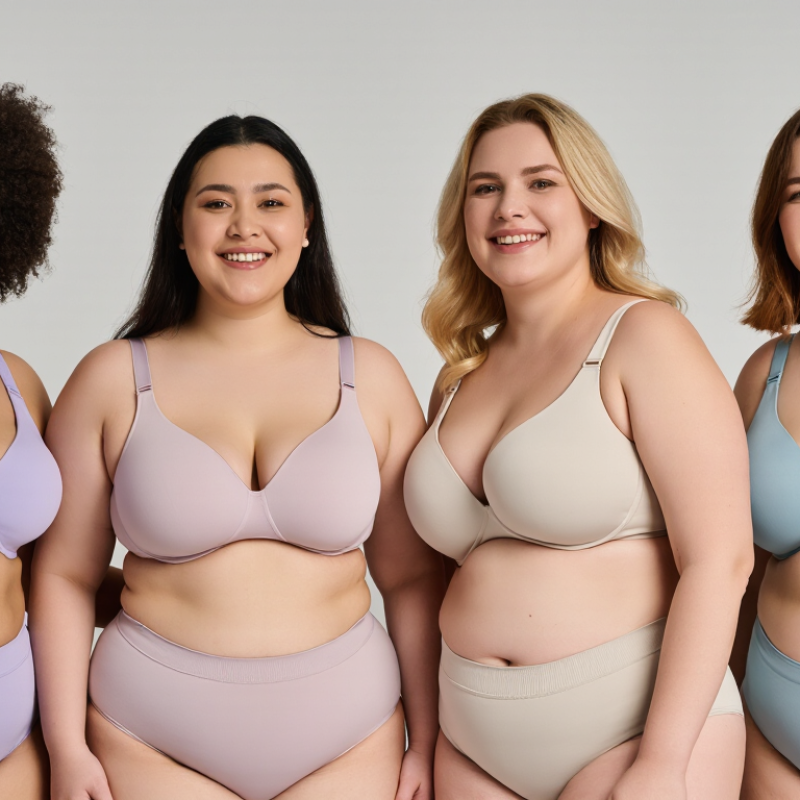
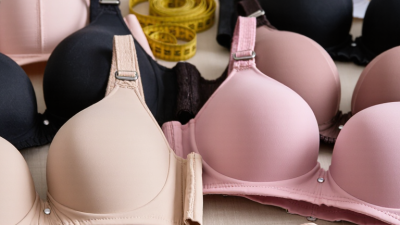
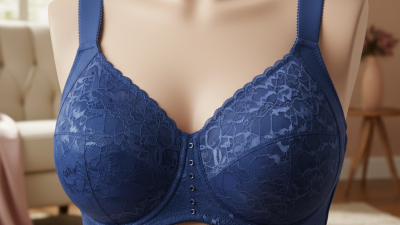
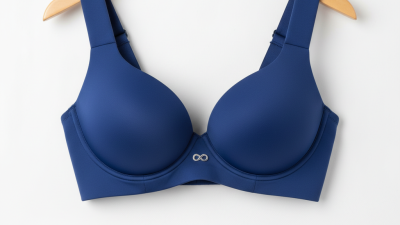
The Plus Size Bra market deserves more than a size chart and polished factory photos. Grand View Research estimated the global lingerie market at about US$91.5 billion in 2023, with projected growth through 2030. That figure covers lingerie broadly, not plus-size bras alone. Public reports rarely separate this niche cleanly. The numbers are useful, but imperfect.
Fit is the real test. A wide band can feel supportive, yet a poorly graded cup may pull at the underarm or leave pressure marks. Lingerie journalist and author Cora Harrington, founder of The Lingerie Addict, has emphasized the importance of choosing lingerie around the wearer’s needs and comfort. Her work offers useful context, though it is not a substitute for technical product testing.
For global buyers, this Top 10 guide looks beyond catalog claims. It considers size-range depth, grading consistency, fabric performance, construction, minimum order quantities, and supplier communication. A size chart alone proves little. Ask for samples across several sizes, then check the band, wire, straps, and stitching after movement and washing. Small details matter.
The rankings are a starting point, not a guarantee. Factories differ, and one strong sample cannot confirm every production run. Buyers should verify current specifications directly with each manufacturer. A candid limitation: publicly available data rarely provides a like-for-like comparison of plus-size bra suppliers. Still, clearer questions can help buyers find partners better equipped to serve customers who need dependable support and comfortable fit.
The global plus size bra manufacturing market is shaped by varied body measurements, fit expectations, and retail channels. A larger cup is not simply a smaller bra scaled up. Support depends on the relationship between band tension, strap width, cup depth, and underwire shape. Fit is personal. One pattern can work well for one wearer and feel restrictive to another.
For global buyers comparing manufacturers, ask how each supplier grades patterns across sizes. Request measurement charts, sample sets, and details about fit testing. Check whether testers represent different body shapes, not just different measurements. Small construction choices matter: reinforced seams, stable elastic, and smooth lining can affect comfort after repeated washing. That takes testing. A polished sample alone proves little.
Production capacity, material sourcing, and communication also deserve close attention. Buyers can review fabric specifications, quality inspection steps, and sample-to-production tolerances before placing orders. Clear records make problems easier to trace. Still, supplier questionnaires do not reveal everything, and factory visits may show only one part of daily operations. Ask specific questions, compare answers, and leave room for uncertainty. Market needs differ by region, and sizing preferences rarely fit one neat chart.
When comparing plus-size bra manufacturers, inspect construction rather than relying on a polished sample. Check whether band elastic returns to shape after repeated stretching, and whether cup seams lie flat without pulling. Examine underwire channels, strap attachment points, and hook-and-eye closures for neat, consistent stitching. Small details matter.
Fit needs testing across the actual size range, not just on one fit model. Ask how the manufacturer grades cup depth, wire width, and strap placement between sizes. Request fit samples in several sizes, then test them on people with different breast shapes and torso proportions. Note where bands ride up, cups wrinkle, or straps slip. A sample may fit beautifully on one body and poorly on another.
For capacity, request clear figures for minimum order quantities, monthly output, sample lead times, and production timelines. Ask how fabric shortages or a failed quality check affect delivery dates. Review inspection records and agree on measurable standards for stitching, sizing, and defects before placing a bulk order. A small pilot run can reveal problems, though it cannot predict every production issue. I would treat any unverified capacity claim cautiously.
Top 10 Plus Size Bra Manufacturers for Global Buyers
Choosing among the top 10 plus size bra manufacturers requires more than comparing prices. Buyers should examine cup and band coverage, grading methods, fabric recovery, minimum order quantities, and sample lead times. Grand View Research valued the global lingerie market at USD 88.32 billion in 2023 and projected a 9.1% compound annual growth rate from 2024 to 2030. That broader market signal suggests opportunity, but it does not guarantee demand for every size range. Fit is personal. Request samples across several sizes, then check strap stability, wire placement, and band comfort after repeated washing.
For global sourcing, ask manufacturers for documented quality procedures, material specifications, and clear production timelines. Review how they test stretch fabrics and manage consistent grading between sizes. A chart can look precise, yet real bodies do not follow tidy grading rules. Small details matter. Inspect stitching near the underarm and adjusters, where rubbing or weak seams can quickly undermine comfort. Compare the supplier’s sample with your intended fit model, not just a standard mannequin. No supplier is flawless, and a low quote may exclude testing, packaging, or development costs. Keep those trade-offs visible when comparing capabilities.
This supplier-selection table compares manufacturing capabilities and verification points rather than naming or ranking individual companies. Specifications and services vary by supplier and should be confirmed directly.
| No. | Capability to Evaluate | What It Means for Plus Size Bra Sourcing | What Buyers Should Verify |
|---|---|---|---|
| 1 | Extended Size Range | A supplier may offer a broad range of band and cup combinations. Available sizes and grading rules differ between suppliers and target markets. | Request the current size chart, sample size, and a size-by-size measurement specification. |
| 2 | Plus Size Fit Development | Fit across a size range involves more than enlarging a smaller pattern; proportions, support, and construction need to be assessed for the intended size range. | Ask how fit samples are reviewed and whether testing covers multiple sizes. |
| 3 | Supportive Construction | Design features such as wider straps, reinforced wings, stable bands, and structured cups may be used depending on the product design and support level. | Review construction details, sample performance, and materials against your product brief. |
| 4 | Material and Component Options | Fabric stretch and recovery, lining, elastics, closures, and other components affect fit, comfort, and durability. Options vary by factory and order. | Request material specifications, component details, and relevant test reports where needed. |
| 5 | Sampling and Pattern Services | Some manufacturers offer pattern development, grading, prototypes, and revisions; these services and associated fees are not universal. | Confirm sample stages, revision limits, charges, and ownership terms for patterns and files. |
| 6 | Quality Control Process | Quality checks may cover measurements, sewing, materials, and finished-product inspection. A stated process does not by itself guarantee a particular outcome. | Ask for inspection criteria, defect definitions, and the process for handling nonconforming goods. |
| 7 | Compliance Documentation | Applicable requirements depend on the destination market and product. For example, REACH is an EU chemicals framework, while textile certifications apply only within their stated scope. | Identify destination-market requirements and verify the scope, validity, and product coverage of any documents provided. |
| 8 | Minimum Order Quantity | Minimums can vary by style, size and color assortment, fabric choice, and whether materials are custom-developed or readily available. | Get written minimums by style, color, and size assortment, including any sample or development minimums. |
| 9 | Production Lead Time | Timing depends on sampling approval, material availability, order complexity, production capacity, and shipping arrangements; quoted schedules are supplier-specific. | Request a schedule that separates development, material sourcing, production, and dispatch. |
| 10 | Private Label and Export Readiness | Private labeling, packaging, labeling, and export support may be available, but service scope and documentation depend on the supplier and destination. | Confirm labeling and packaging requirements, export documents, payment terms, and delivery terms in writing. |

Comparing plus size bra manufacturers means looking beyond a long catalogue. Grand View Research valued the global lingerie market at US$91.82 billion in 2023 and projected a 6.1% compound annual growth rate from 2024 to 2030. This broader market figure signals commercial scale, but it does not measure plus size fit or factory capability. Buyers should check whether ranges cover different cup and band combinations, wire-free styles, sports bras, and nursing options. Details matter. Ask for grading rules, sample timelines, fabric choices, and clear minimum order quantities before comparing quotations.
Customization is most useful when it improves fit, not just appearance. Request samples across several sizes, then examine band stability, strap placement, cup seams, and closures after movement and washing. Production strength also includes repeatability: can a factory keep elastic tension and stitching consistent across larger orders? Ask about monthly capacity, quality checkpoints, and lead times during peak periods. Fit is personal. A limitation in many supplier comparisons is that stated capacity may not show how well a factory handles complex size runs. Buyers should verify claims with a small pilot order and inspect the results. No single supplier will excel at every category.
Comparing product range, customization, and production strengths
Suggested evaluation framework: product range and customization each carry 35% of the assessment, while production strength carries 30%. These are proposed comparison weights—not audited results or verified ratings for individual manufacturers.
Global sourcing starts with the product, not the factory list. For plus size bras, request graded patterns, fit samples, and measurements across the full size range. Check how each sample supports the body in motion, not only on a mannequin. Inspect underwire channels, strap sliders, hook-and-eye closures, and elastic recovery after washing. Fit is unforgiving.
Supplier transparency needs evidence. Fashion Revolution’s 2023 Fashion Transparency Index assessed 250 major fashion companies and reported an average score of 26 percent. Use that finding as a reminder to ask for named production sites, subcontracting controls, and material traceability. The ILO’s 2022 global estimates identified 27.6 million people in forced labour worldwide. Request documented worker protections and clear processes for raising concerns. Requirements vary by destination market, so confirm testing, fibre-content labels, and chemical restrictions with qualified local advisers.
Build the relationship around repeatable checks. Agree on sample approval, tolerances, minimum order quantities, lead times, and written change control before placing bulk orders. Test stretch recovery and colourfastness on production materials, not just development samples. A factory audit is only a snapshot. I have seen paperwork look tidy while a late material substitution creates real fit problems; follow-up matters. Share forecasts early, review corrective actions together, and keep records of decisions.