Top 10 Bra Manufacturers You Should Know About?
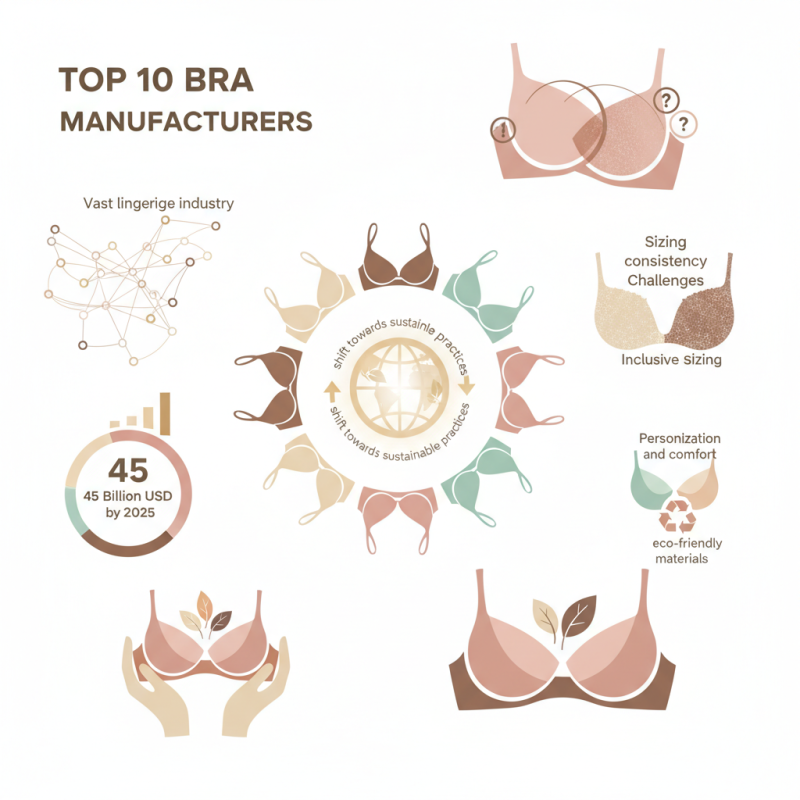
The lingerie industry is vast, yet the bra segment demands special attention. According to a recent report by Market Research Future, the global bra market is projected to reach $45 billion by 2025. This statistic underscores the importance of bra manufacturers in meeting diverse consumer needs. Experts believe the market is shifting toward sustainable practices. Jane Müller, a recognized authority in the lingerie sector, states, "Innovation and sustainability are key for modern bra manufacturers."
Despite the growing market, challenges persist. Many bra manufacturers face issues with sizing consistency and material quality. The need for personalization and comfort in bras is paramount. The increasing demand for inclusive sizing and eco-friendly materials reflects changing consumer preferences. Companies are being urged to adapt swiftly. The desire for both fashion and function poses a significant hurdle for traditional manufacturers.
Understanding the landscape of bra manufacturers is essential for consumers. Awareness of top players shapes shopping choices. In this article, we will highlight ten noteworthy bra manufacturers. These companies showcase innovation, adaptability, and quality in a competitive marketplace. As the industry evolves, staying informed is crucial.
Overview of the Global Bra Manufacturing Industry
The global bra manufacturing industry plays a critical role in the apparel sector. It has adapted to market changes and consumer demands. With a diverse range of materials, manufacturers create bras that combine comfort and style. Innovations in fabric technology enhance breathability and support. Sustainable practices are gaining traction, reflecting shifting consumer attitudes.
Despite advancements, challenges persist. Quality control can vary significantly among manufacturers. Some brands still rely on outdated production methods. This affects consistency and could impact customer satisfaction. Environmental concerns also remain. While many companies are moving toward sustainable practices, not all have fully committed to eco-friendly materials.
Consumer preferences are evolving. Many seek personalized options and inclusivity in sizing. The demand for diverse designs continues to grow. However, not every manufacturer has adapted to these changing preferences. Brands must listen to feedback for continuous improvement. Addressing these challenges can lead to better products and a stronger industry.
Overview of the Global Bra Manufacturing Industry
Key Factors to Consider When Choosing a Bra Brand
Choosing the right bra brand involves several key factors. Comfort is paramount. A well-fitting bra should support without digging in. Pay attention to materials. Soft fabrics can make a huge difference. Look for breathable options to avoid irritation.
Size is crucial as well. Different brands have unique sizing charts. Trying on various styles can be beneficial. Remember, not every brand uses the same sizing. Your body is unique, and so are your needs.
Consider the level of support you require. Sports bras need to be sturdy. Everyday bras can vary in flexibility. Take note of your daily activities. A bra that works for one occasion might not suit another. Finding the right balance takes time and exploration. Trust your instincts, and don't hesitate to seek advice if needed.
Top 10 Bra Manufacturers You Should Know About
| Brand Features |
Fabric Quality |
Sizes Available |
Price Range |
Customer Reviews |
| Excellent support, variety of styles |
High breathable materials |
32A - 44G |
$30 - $80 |
4.5/5 - Highly recommended |
| Customizable fit, eco-friendly |
Organic cotton and lace |
30A - 40F |
$20 - $70 |
4.7/5 - Great comfort |
| Stylish designs, affordable |
Soft and durable fabrics |
32B - 42D |
$25 - $60 |
4.4/5 - Value for money |
| Luxury feel, great for special occasions |
Silk and satin blends |
32C - 38DD |
$50 - $150 |
4.8/5 - Perfect for gifts |
| Performance-oriented, sports range |
Moisture-wicking materials |
30B - 38E |
$35 - $90 |
4.6/5 - Best for workouts |
| Comfort-focused, wide straps |
Breathable mesh |
34A - 42DD |
$15 - $50 |
4.5/5 - Everyday wear |
| Inclusive sizing, diverse styles |
Soft elastic and lace |
30AA - 48H |
$20 - $80 |
4.6/5 - Loved by all |
| Vintage styles, unique patterns |
Cotton and spandex mix |
32A - 40C |
$30 - $75 |
4.5/5 - Fashion-forward |
| Classic cuts, elegant |
Silk cotton blend |
32B - 38B |
$40 - $120 |
4.7/5 - Timeless designs |
| Innovative fits, contemporary styles |
Stretchable fabric |
28A - 42DD |
$30 - $85 |
4.6/5 - Great for modern looks |
Top 10 Leading Bra Manufacturers Worldwide
The global bra market has witnessed significant growth, valued at approximately
$30 billion in 2022, with an expected
annual growth rate of 6% from 2023 to 2030.
This upward trend highlights the constant demand for quality lingerie. Key players in the industry
maintain a robust presence worldwide, balancing
innovative designs and functional support.
Among leading manufacturers, many prioritize sustainable practices.
The need for environmentally-friendly materials has risen sharply. Consumers increasingly demand products
that align with their values. Reports indicate that about 70%
of shoppers consider sustainability in their buying decisions. Brands that adapt to these preferences
may gain a competitive edge.
Tips: Always check the fabric composition. Look for
organic cotton or recycled materials.
Consider the brand's ethical stance as well. Focus on fit and comfort over trends. A well-fitted bra can enhance
both style and confidence, yet fewer than 30% of women wear the
right size. Many still overlook this critical aspect, leading to discomfort.
Innovative Technologies in Bra Design and Fabrication
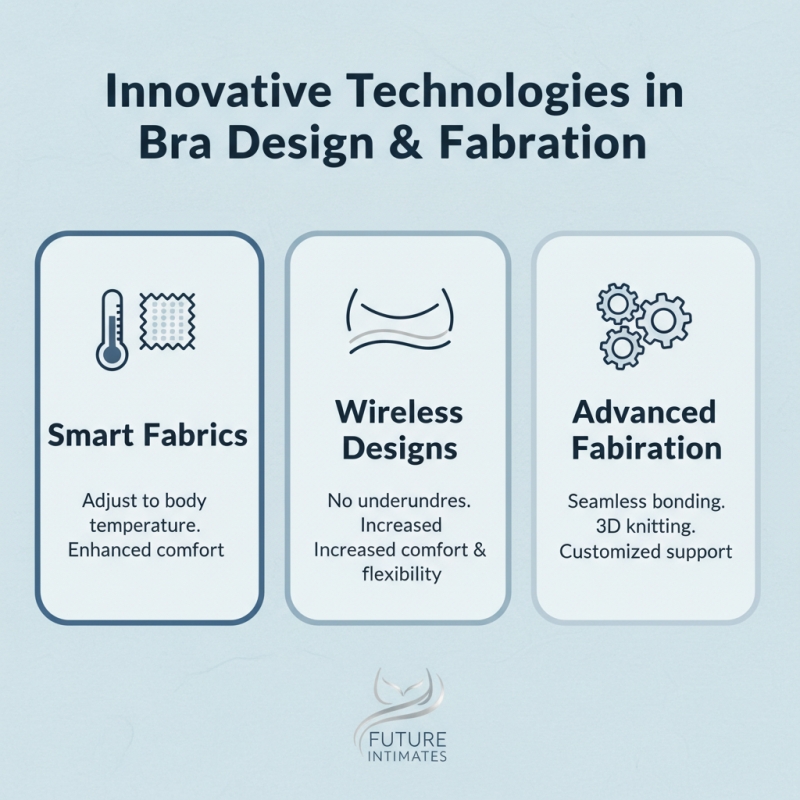
In recent years, the bra industry has seen remarkable advancements in technology and design. Many manufacturers are now focusing on creating bras that prioritize comfort and functionality while embracing innovation. Smart fabrics are becoming commonplace. These materials often adjust to body temperature, providing a more comfortable fit throughout the day. Innovative designs, such as wireless structures, eliminate discomfort from traditional underwires.
3D printing technology is making waves in the industry. This method reduces waste and allows for customized fits. Brands are experimenting with unique textures and patterns, offering more personal choices for consumers. Even bra straps are evolving, with adjustable options that cater to different body types. However, the challenge remains to find the balance between style and practicality.
Some designs might look good on the hanger but may not deliver in real-life scenarios. Constructing a supportive yet elegant bra is a complex task. Feedback from wearers is crucial for improvement. Manufacturers must continually ask themselves—are they truly meeting the needs of their customers?
Sustainability Practices Among Major Bra Brands
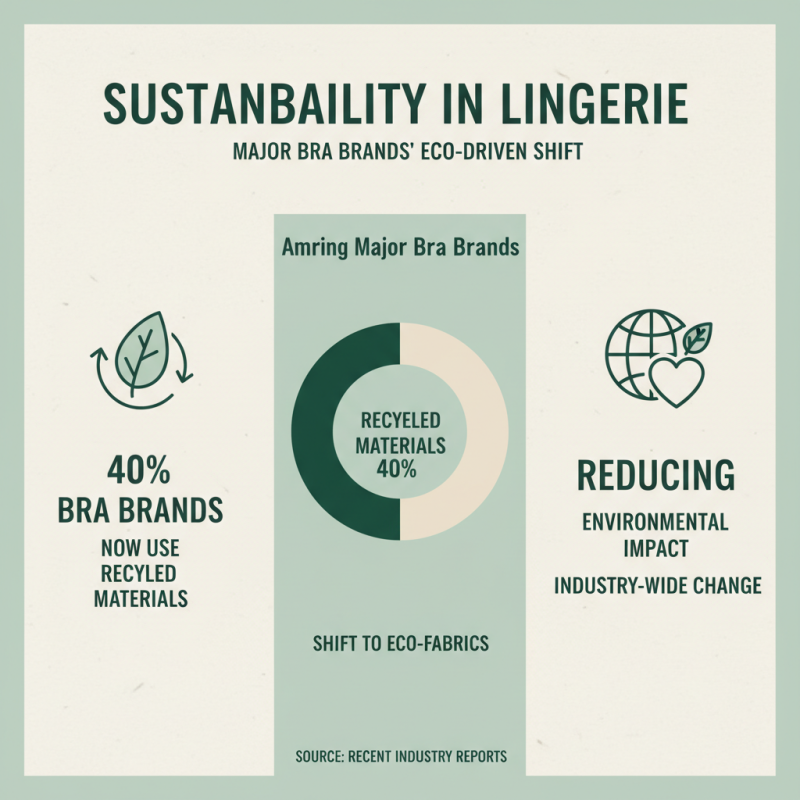
Sustainability practices in the lingerie industry are increasingly important. Recent industry reports highlight a substantial shift toward eco-friendly materials. Over 40% of major bra brands now utilize recycled materials in their production. This development reflects a growing commitment to reducing environmental impact.
Many brands are focusing on transparent supply chains. Reports indicate that about 70% of consumers want to know more about where their products originate. However, some brands still struggle with fully disclosing their sourcing practices. This lack of transparency can lead to consumer distrust, especially among eco-conscious buyers.
Moreover, the challenge of waste in the fashion industry remains pressing. Approximately 92 million tons of textile waste are produced globally every year. Brands that adopt circular economy strategies stand out. These strategies include recycling initiatives and take-back programs. Yet, many companies only scratch the surface of these practices. The potential for genuine change in sustainability efforts is vast, but the journey is far from complete.