What Are the Top Slim Bra Types in 2026?
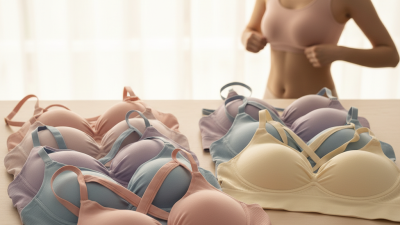
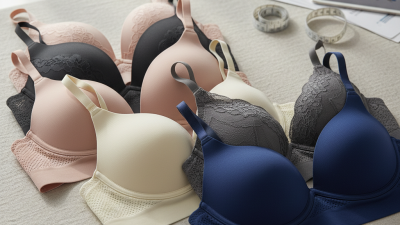
In 2026, a Slim Bra is not one fixed design. The category includes compression bras, minimizer styles, wireless options, longline cuts, and light-shaping designs. Each can create a smoother outline, but the feel and support differ. A flat seam may disappear beneath a T-shirt. A wide band can feel steadier under a fitted jacket. Small details matter.
Lingerie fit educator Kimmay Caldwell is known for encouraging a personal, comfort-focused approach to bra fit. A fair paraphrase of that principle is: “Support should feel secure, not restrictive.” This is a paraphrase, not a verified verbatim quotation. It points to a useful test: straps should stay put, the band should feel firm without digging, and cups should lie smoothly beneath clothing. No single size chart gets every fit right.
This guide compares the leading Slim Bra types by construction, coverage, shaping effect, and everyday wearability. It also considers where each style may fall short. Compression can feel snug; minimizer cups may change a garment’s silhouette; wireless designs vary in support. The best choice depends on body shape, outfit, activity, and personal comfort—not a trend alone. A mirror helps. So does moving around in the bra before deciding. We will look closely at the details that make each type useful, and at the trade-offs shoppers should not overlook.
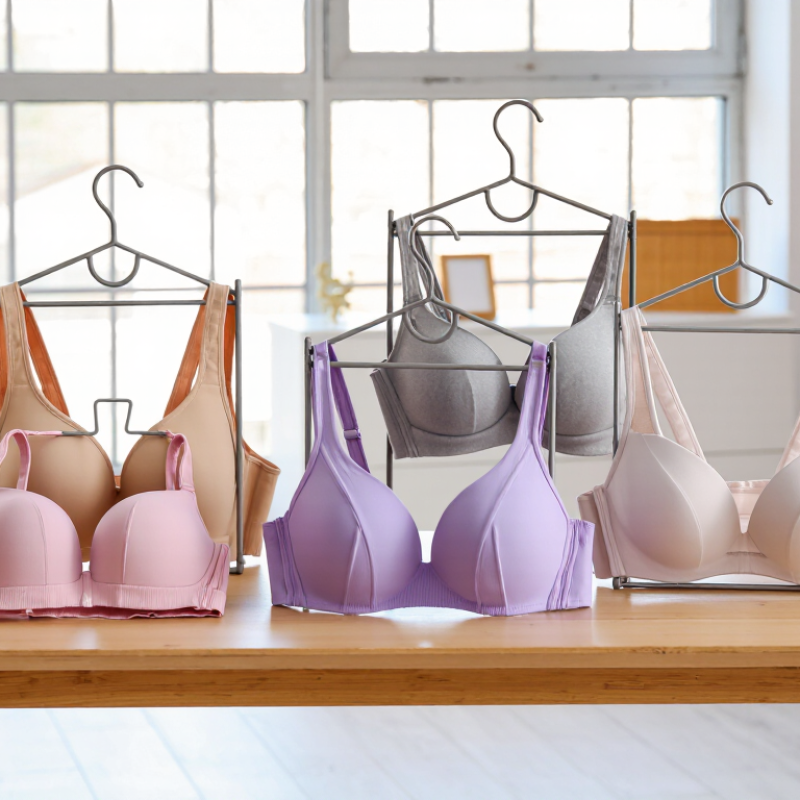
Key Features That Define a Slimming Bra in 2026
What Are the Top Slim Bra Types in 2026?
Key Features That Define a Slimming Bra in 2026
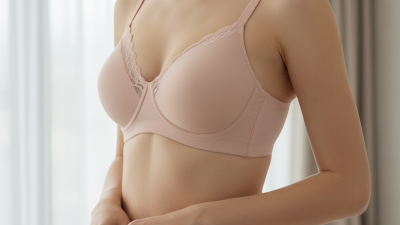
A slimming bra should shape smoothly, not squeeze the body into discomfort. In 2026, useful designs pair gentle compression with firm, wide underbands and supportive side panels. These features can help reduce bulging beneath fitted tops while keeping the bra stable during daily movement. Smooth cups and flat seams also limit visible lines under lightweight shirts. Small details matter.
Look for breathable fabrics that feel soft against the skin, especially around the band and underarms. Adjustable straps can help distribute weight more evenly, while full-coverage cups may offer a secure feel without excessive padding. A good fit is essential: the band should stay level, and cups should not wrinkle, spill, or dig in. Try sitting and raising your arms when checking fit. It sounds obvious, but it is easy to forget.
Compression varies by style and body shape, so “slimming” does not mean one fit works for everyone. A longline bra may smooth the torso, while a lightly structured everyday bra can create a cleaner outline under clothing. If breathing feels restricted or the band leaves lasting marks, choose a different size or cut. Smooth lines are useful, but comfort still wins.
Minimizer Bras for a Less Prominent Bustline
A minimizer bra creates a smoother, less prominent bustline by spreading breast tissue across a wider area. It does not reduce breast size. Look for firm, wide cups, supportive side panels, and straps that sit flat without digging into the shoulders. A snug band should stay level around the ribs. Small details matter.
Fit varies because bodies do. The SizeUSA anthropometric survey, conducted by apparel measurement researchers using 3D body scans of more than 10,000 U.S. adults, documented substantial variation in body measurements. That industry data supports a practical point: a size label alone cannot predict comfort. Try the bra with a close-fitting top, then check for cup overflow, empty fabric, and bulging near the underarm. Raise your arms. The band should not ride up.
A minimizer may suit button-front shirts that pull at the chest or outfits where you want a flatter outline. Choose breathable fabric if you wear it for long hours, and avoid sizing down to force compression. That can feel restrictive. I still think “minimizing” can promise too much; the right result is a balanced silhouette, not a magically smaller body.
Compression Bras for a Streamlined, Supported Fit
Compression bras use close-fitting panels and stretch fabrics to limit breast movement while keeping the silhouette smooth beneath clothing. They can suit low-impact exercise, brisk walking, or layering under a fitted top. But compression is not the same as support for every body.
A 2010 Journal of Sports Sciences study by Scurr, White, and Hedger measured breast movement during running, with displacement ranging from 4 to 15 centimetres among participants. That finding helps explain why a firm, stable fit matters. A bra should sit level around the rib cage, with fabric lying flat and no pinching beneath the arms. Try raising your arms and taking a few deep breaths. It should stay put. The band should feel secure, not restrictive.
For a streamlined look, choose wide straps and a smooth front panel; narrow straps can dig in during longer wear. Compression may feel snug at first, yet numbness, chafing, or restricted breathing are signs to reassess the size or style. Fit varies with body shape and activity. Even careful fitting can miss discomfort that appears after an hour, so check how the bra feels during real movement.
What Are the Top Slim Bra Types in 2026?
Compression Bras for a Streamlined, Supported Fit
High-impact sports bras typically prioritize firm compression and support, while seamless and everyday styles tend to emphasize a smoother, lighter feel. Ratings are qualitative comparisons of common design characteristics, not standardized laboratory measurements; fit and support vary by garment and wearer.
Seamless and Longline Bras for a Smooth Silhouette
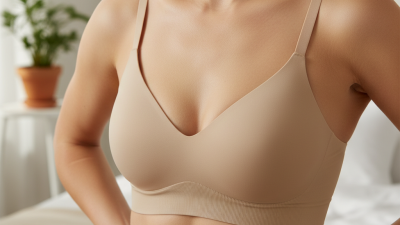
Seamless bras and longline bras can create a smoother outline beneath close-fitting clothes, but they do it differently. Seamless styles reduce raised seams and visible edges under thin T-shirts. Look for soft, bonded finishes and cups that lie flat without cutting into breast tissue. A seamless label alone is not a fit guarantee; straps, band tension, and cup shape still matter.
Longline bras extend below the band, spreading support over a wider area of the torso. Their longer panels can sit neatly under dresses or fitted tops, especially when the fabric has enough stretch to move with you. Check the lower edge while seated. If it rolls or presses sharply, the smooth effect may not last through a full day. Fit still comes first.
Fabric choices make a noticeable difference. Breathable, flexible materials often feel more comfortable during long wear, while a firmer lining may show less texture under lightweight clothing. Neither option works for everyone. A pale bra can still show beneath a white shirt, so test it in daylight if possible. Small details matter. I find the search for a perfectly invisible bra a little unrealistic; comfort and a clean line are usually better goals. Try each style under the actual outfit, then move, sit, and reach before deciding.
How to Choose a Slim Bra by Fit, Support, and Intended Use
Choosing a slim bra starts with fit, not the promise of a smaller-looking silhouette. Measure your ribcage and bust, then compare both numbers with the garment’s size chart. Charts vary, so treat them as a guide rather than a verdict. The band should sit level around your body without digging in or riding up. Cups should lie smoothly, with no spilling or loose fabric. No pinching. Raise your arms and twist gently; the bra should stay in place. Even careful measuring can miss changes in breast shape, posture, or comfort needs.
Match the style to your plans. A lightly lined bra can smooth the outline beneath a fitted shirt, while a wireless design may feel easier for long desk hours. For brisk walks or workouts, choose a supportive sports-style bra with secure straps and enough coverage to limit bounce. A compression style can create a firmer, flatter look, but it should never restrict breathing. Check seams under thin fabric and adjust the straps while standing naturally. Small details matter. If the band leaves deep marks or the cups wrinkle after a short wear, try another cut or size. The “slimmest” option is not always the most comfortable one.