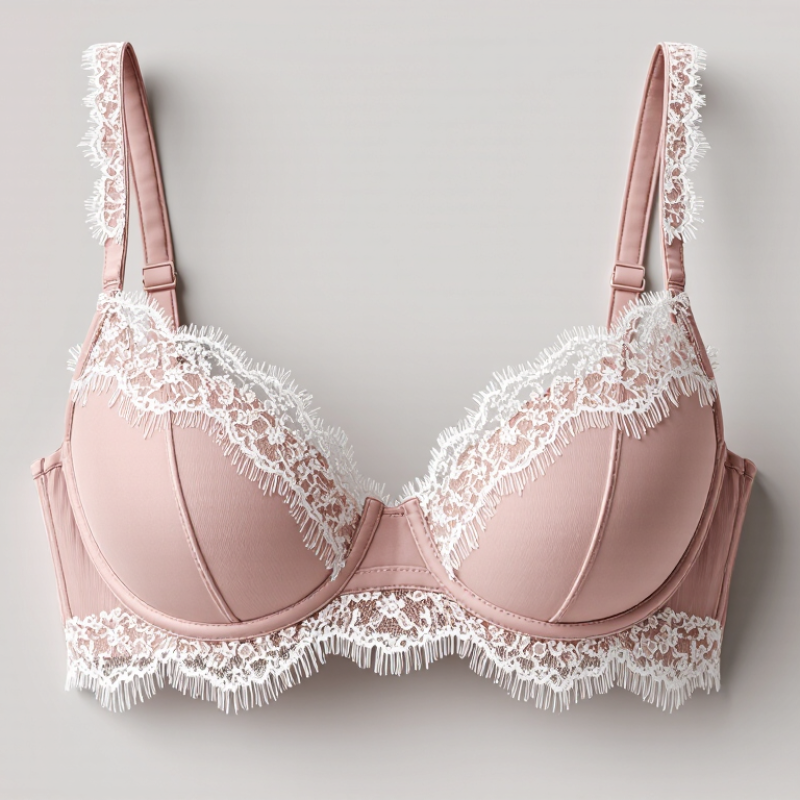
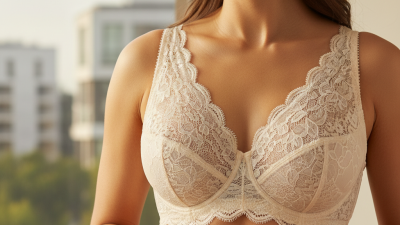
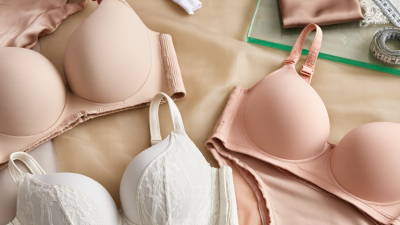
A Lace Rimmed Bra is a bra finished with lace along an edge, such as the neckline, band, or straps. The lace may be decorative, stretchable, or part of the cup’s construction. It can soften a simple silhouette, but the trim does not determine support or fit. Check the band, cup coverage, and stitching against your body, not just the product photo.
The wider lingerie market offers useful context, though it does not measure lace-rimmed styles separately. Grand View Research estimated the global lingerie market at about US$94.2 billion in 2023 and projected continued growth through 2030. That figure describes the whole category, not demand for one bra design. A fitting detail can still matter. Lace that feels smooth on a hanger may itch after hours of wear.
Lingerie journalist and author Cora Harrington’s inclusive principle, “Lingerie is for everyone,” is a useful lens for considering style and comfort together. A good choice should suit the wearer, not an assumed body type. Look closely at the lace edge against skin, especially near the underarm and neckline. Small details count. And the label can be fuzzy: brands may use “lace-trimmed” and “lace-rimmed” differently. So read the product description, inspect the construction, and treat comfort as personal evidence.
A lace-rimmed bra is a bra finished with lace along one or more edges, often around the cups or neckline. The term describes a design detail, not a fixed cup shape or support level. Its cups may be smooth, molded, or made partly from lace. The trim can be narrow and subtle, or wide enough to show above a shirt. A small detail.
Lace may feel soft, but texture varies with the thread, stitching, and backing fabric. Check the inside edge: raised seams or stiff elastic can rub against sensitive skin. The band and straps still provide most of the bra’s support, so a pretty lace border cannot make up for a poor fit. When trying one on, look for cups that lie flat and an edge that does not dig in or gape. It should feel comfortable when you move, too. Lace can catch on rough fabrics, and delicate trim may need gentle washing. Not every lace-rimmed style is fragile, though; construction matters, and the label is worth checking.
A lace-rimmed bra has lace placed along one or more edges, rather than covering the entire cup. The trim often follows the neckline, where a scalloped border can show above a shirt or sit flat beneath a close-fitting top. Some designs also use lace along the underarm or lower band. Small details matter.
The lace may be sewn onto the cup edge, layered over fabric, or joined to elastic. Each method affects how the edge lies against the skin. A soft, flexible trim can feel smooth, while stiff stitching or a narrow seam may rub during a long day. Pretty does not always mean comfortable. Check the inside, too.
Lace itself usually provides little support; cup lining, seams, and the band do more of that work. When trying one on, look for lace that follows the body without puckering or pulling. Raise your arms and turn slightly. Does the edge stay in place? A little movement is normal, but digging or scratchiness is worth noticing. Even careful construction cannot guarantee a perfect fit, since skin sensitivity and body shape vary. Sometimes the lace looks lovely, yet the edge feels wrong. Don’t ignore that.
Common places lace can finish or decorate a bra’s edges
A lace-rimmed bra uses lace along one or more garment edges—for example, the neckline, underband, side wings, or straps. The chart maps four possible edge locations; it does not show how frequently they appear. Placement varies by design.
A lace-rimmed bra has lace along an edge, often around the cups, neckline, or band. The trim may be decorative, but its placement can also affect how the bra sits against the body. Common lace fibers include nylon or polyester, sometimes blended with elastane for stretch. Cotton may appear in linings or small details, though it is less common in delicate stretch lace. The fiber content matters. It influences softness, recovery, and how the lace responds to washing.
Construction varies. Some bras use lace as an overlay on a smooth fabric cup, with the cup providing most of the support. Others shape the lace itself into panels, joining them with seams or darts. At the rim, a narrow elastic may be stitched beneath the lace to help it lie flat. Scalloped lace edges are sometimes left visible, while straight edges may be folded or bound. Small differences matter.
A soft-looking edge is not always comfortable. If elastic is too firm, it may press into the skin; if the lace lacks stretch, it can wrinkle or pull during movement. When checking a bra, look at how the trim lies while standing and sitting, not just in a mirror. Loose threads, uneven stitching, or a rough seam can signal a finish that may irritate sensitive skin. Hand washing can help preserve delicate lace, but care labels and fabric blends vary.
A lace-rimmed bra has lace edging along part of its cups or neckline. The trim can look delicate, but fit depends more on the bra’s shape and construction than on the lace itself. Check that the band sits level around your ribs and feels secure without digging in. The cups should contain breast tissue without gaps, pinching, or spilling. Small details matter. A narrow lace edge may curl or press into skin, especially beneath a fitted shirt.
For support, consider the band, straps, and cup structure. Most of the support should come from a comfortably snug band, not straps pulled tight over your shoulders. Wider bands and fuller cup coverage may feel steadier for some bodies, while soft, unlined styles offer less shaping. Lace can also vary in texture; raised stitching may rub during a long day or in warm weather. It is easy to focus on appearance and miss that. Comfort is personal, and even a well-fitted bra may need adjusting after movement.
Tips: Try it on while seated and standing. Reach overhead, then take a few steps. Notice any shifting, scratchy seams, or pressure marks. If discomfort remains, try another cup or band size; the fit may still need work.
What Is a Lace Rimmed Bra? Styles, Care, and Everyday Use
A lace-rimmed bra has lace along an edge, such as the neckline, wings, or underband. The trim may be soft and flat, or raised with embroidered details. It can frame a smooth cup without making the whole bra look delicate. For everyday wear, check that the lace lies flat beneath your usual tops and does not itch at the underarm. A small detail can still rub by late afternoon. Grand View Research valued the global lingerie market at USD 91.6 billion in 2023, reflecting broad demand for varied lingerie styles; this figure covers lingerie overall, not lace-rimmed bras specifically.
Styles range from lightly lined T-shirt bras to unlined balconette shapes. A narrow lace edge works well under many necklines, while wider trim may show through thin fabric. For comfort, fit matters more than decoration: the band should sit level, and the straps should stay put without digging in. Care depends on the bra’s fabric and label. Hand washing in cool water can reduce stretching; if machine washing is permitted, use a mesh bag and a gentle cycle. Skip high heat, which can weaken elastic and distort lace.
Tips: Fasten the hooks before washing, reshape damp cups by hand, and dry the bra flat or over a rack. Avoid wringing it. If the lace snags easily, keep it away from zippers and rough towels. Check the care label—some trims need gentler handling than the rest of the garment.
Source: Grand View Research, Lingerie Market Size, Share & Trends Analysis, 2024.
| What Is a Lace Rimmed Bra? - Styles, Care, and Everyday Use | ||||
|---|---|---|---|---|
| Style or Feature | What It Means | Typical Details | Everyday Use and Fit Notes | Care Tips |
| Lace-rimmed bra | A bra with lace trim along an edge, such as the neckline, cup top, or underband. The lace may be decorative or part of the cup construction. | May have smooth fabric cups with a narrow lace border, or lace panels that cover more of the cup. | Works under many outfits when the lace lies flat. Check that the edge does not show through or rub under clothing. | Follow the garment label. A mesh laundry bag and a gentle, cool wash can help protect delicate lace. |
| Full-coverage lace-trim style | A bra with cups designed to cover more of the breast, sometimes finished with lace at the neckline. | Often has wider straps and a taller cup than low-cut styles; support depends on the overall design and fit. | Can be a practical option for daily wear if the cups fully contain the breast tissue without gaping or cutting in. | Fasten the hooks before washing and avoid snagging lace on hooks, zippers, or rough fabrics. |
| Balconette or demi style | A lower-cut cup shape that typically leaves more of the upper chest uncovered than a full-coverage style. | Lace may decorate the cup edge or form part of the cup. Neckline height varies between designs. | May suit lower necklines. The cup edge should sit smoothly against the body rather than gape or press into breast tissue. | Air-dry when possible; heat from a dryer can wear elastic and may damage delicate trims. |
| Stretch-lace cup | A cup or cup panel made with lace that stretches to accommodate some variation in shape. | Stretch and coverage differ by fabric and construction; lace alone does not indicate a particular support level. | Check for comfortable containment and a stable band. Stretch lace should not be relied on to correct a poor fit. | Use a mild detergent and avoid bleach or fabric softener unless the care label specifically permits them. |
| Non-stretch lace cup | A lace panel with little stretch, often shaped with seams or combined with lining. | May provide a more structured feel, depending on the cup pattern, lining, and band. | Accurate cup fit matters: seams should lie flat, and the fabric should not pull or wrinkle noticeably. | Hand-washing can reduce friction, but follow the care label; do not wring the cups, which can distort their shape. |
| Underwire or wire-free construction | Lace trim can appear on either underwire bras or bras without wires; the trim does not determine the support structure. | Underwire styles use a wire around the cup base. Wire-free styles rely on fabric, seams, and band construction. | Choose based on comfort and fit. An underwire should lie flat against the rib cage and should not poke or sit on breast tissue. | Store bras without folding or bending underwires. Keep delicate lace from catching on other garments. |
| Signs of a comfortable fit | Fit depends on the bra’s band, cups, straps, and shape—not on lace alone. | The band stays level, cups contain the breast tissue, and straps remain secure without carrying all the support. | Recheck fit if the bra shifts, digs in, gaps, or causes persistent discomfort. Sizing can vary between styles and makers. | Rotate bras between wears when practical so elastic can recover. Replace a bra when it no longer fits or provides comfortable support. |