10 Bra Customization Tips for Global Buyers?
Bra Customization can turn a standard product into a stronger fit for different markets. Yet global buyers need more than attractive colors and private labels. They must evaluate support, comfort, sizing, materials, packaging, and production consistency.
A practical customization process begins with the wearer. Measure carefully. A cup shape that works in one region may feel unfamiliar elsewhere. Collect feedback from real testers before approving bulk production. Check band tension, strap adjustment, seam placement, and fabric recovery after washing. Small details matter.
Material selection also deserves close attention. Breathable microfiber may suit warm climates, while brushed fabrics can improve comfort in cooler regions. Buyers should request fabric specifications, colorfastness results, and sample reports. Supplier experience matters here. Ask how many revisions are included and how quality is checked during production.
Clear communication reduces expensive mistakes. Share technical drawings, measurement charts, logo files, and approved samples. Confirm tolerances in writing. Do not rely only on photographs. They can hide stitching problems and uneven padding.
Packaging should reflect local retail habits and customer expectations. Labels must present accurate product information and follow applicable market requirements. Reliable suppliers should explain their testing practices, factory controls, and corrective action procedures.
Some choices will still need revision. That is normal. A first sample may look excellent but feel restrictive after several hours. Global buyers should test products in realistic conditions, not only in a showroom. This guide presents ten practical Bra Customization tips for making informed decisions, reducing avoidable risks, and building products that customers can trust.

Understanding Bra Customization Goals and Target Markets
Global bra buyers often seek customization for different reasons: comfort, cultural fit, price control, or a stronger retail identity. A sports-focused market may prefer firm support and breathable mesh. A warmer region may need lighter fabrics and moisture management. Breast shapes, size ranges, and fitting habits also vary. A standard pattern rarely serves every customer equally well.
Tip 1: Define the target customer before selecting materials. Tip 2: Build size charts from local measurements, not assumptions. Tip 3: Offer adjustable straps for varied body proportions. Tip 4: Test wire shapes with real wearers. Tip 5: Check fabric softness after washing. Small details matter.
Tip 6: Match support levels to daily activities. Tip 7: Choose colors that suit local preferences and retail channels. Tip 8: Confirm labeling, fiber content, and packaging rules for each market. Tip 9: Request sample approval before bulk production. Tip 10: Record every fitting comment for pattern revisions. In my experience, buyers often focus on appearance first, then discover that stitching, hooks, or cup depth affects repeat sales. I have also seen teams over-customize too early. That creates cost and confusion. A better process tests one clear concept, compares fit results, and adjusts carefully. No sample is perfect. That is useful feedback, not failure.
Selecting Bra Styles, Sizes, Fabrics, and Support Features
Global buyers should begin with the wearer, not the product photo. A soft triangle style suits light support, while fuller busts often need wider bands and structured cups. Plunge, balconette, and full-coverage designs create different fit expectations. Always compare the supplier’s size chart with local measurements. A 75B in one market may not match another market’s proportions. Measure the underbust firmly and the bust at its fullest point. Keep both numbers.
Tips:
Request graded size charts, not one sample measurement. Ask for cup depth, band stretch, strap width, and front-center height. A physical sample can reveal problems that digital charts miss. Check whether the band rides upward after movement. It should feel secure, not restrictive. Small fitting errors become expensive when ordering hundreds of units.
Fabric affects comfort, durability, and perceived value. Nylon blends usually provide smooth stretch, while cotton-rich fabrics feel breathable but may lose shape faster. Mesh can improve ventilation, yet rough seams may irritate sensitive skin. For active customers, moisture control and stable elastic deserve close attention. Support features include underbands, side panels, molded cups, and adjustable straps. Use them according to the intended activity, not decoration.
Tips:
Test bras after sitting, bending, and lifting the arms. Inspect stitching under bright light. Ask for fiber percentages, care instructions, and colorfastness results. I would not trust a perfect sample alone. Production tension can change the final fit. Recheck measurements across several sizes before approving a larger order.
Defining Branding, Colors, Trims, and Packaging Requirements
Global bra buyers need more than a logo on the product. They need clear branding instructions that factories can measure and repeat. Define the logo position, print method, size, and acceptable color variation. Request editable artwork and print-ready files. A detailed tech pack should show the logo’s distance from seams, straps, and closures. Our first sampling projects often focused on appearance but missed logo placement after washing. That mistake created avoidable revisions. Branding must survive production, not only look attractive on a screen.
Colors require physical references whenever possible. Digital screens can misrepresent soft pink, beige, or deep navy. Provide a recognized color standard and identify the exact fabric type. The same color may appear different on microfiber, lace, and elastic. Trims also need precise requirements. State the hook color, ring finish, strap width, elastic softness, and adjuster material. Ask for close-up samples. Details expose weak planning.
Packaging should protect the bra without damaging its shape. Specify folding instructions, tissue paper, size stickers, barcode placement, carton dimensions, and moisture protection. Sustainable packaging may sound simple, but paper strength and print quality still need testing. Include destination-market labeling requirements and confirm translations before mass production. A small packaging trial can reveal crushed cups, loose stickers, or unreadable codes. Not every first specification will be perfect. Leave room for correction after inspecting real samples.
Checking Global Compliance, Samples, and Production Quality
Global bra customization requires more than attractive sketches. Buyers should check fiber content, care labels, size charts, and packaging rules for each destination market. Requirements can differ between regions, so written confirmation from a qualified compliance professional is valuable. Ask suppliers for recent test reports, material declarations, and factory quality records. Do not rely on verbal promises.
Tips: 1. Define cup, band, strap, and wire measurements clearly. 2. Confirm fabric composition before sampling. 3. Request colorfastness and skin-contact testing where applicable. 4. Check labels in the required language. 5. Keep compliance documents linked to each purchase order. Small details matter.
Sampling reveals problems that drawings hide. Test the bra on several body shapes, not only one mannequin. Check hook strength, strap adjustment, elastic recovery, seam comfort, and wash performance. Photograph each sample with measurements beside it. Approve a sealed reference sample before bulk production. A sample can look excellent and still fail after repeated washing.
Tips: 6. Compare measurements after washing. 7. Record acceptable tolerance ranges. 8. Inspect stitching density and loose threads. 9. Use random inspections during production, not only before shipment. 10. Require corrective action for repeated defects. Some issues are easy to overlook. A rushed approval may create expensive rework. Even experienced buyers should review their checklist, because assumptions often replace evidence.
10 Bra Customization Tips for Global Buyers
Global compliance, sample approval, and production-quality checkpoints
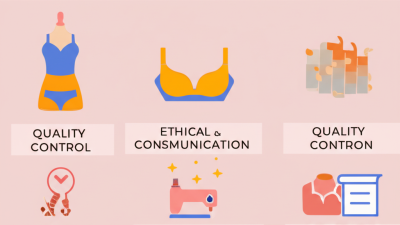
The chart groups ten practical buyer checkpoints by the evidence normally required before production: labeling and chemical compliance, fit and construction samples, and in-line or final quality verification. Requirements may vary by destination market, product materials, and buyer specifications.
Managing Orders, Costs, Timelines, Shipping, and After-Sales Support
Global buyers need more than attractive bra samples. They need a controlled order process. Share a clear tech pack with measurements, fabric details, color references, trims, packaging, and labeling requirements. Confirm the minimum order quantity before sampling. Small changes can affect production costs. Ask for a written quotation that separates sampling, materials, labor, packaging, inspection, and shipping.
Set milestones for approval, production, and dispatch. A practical timeline should include fabric sourcing and quality checks. Keep a buffer for delays. It matters. Our first estimate was wrong because a special elastic required extra sourcing time. That mistake taught us to confirm material availability before promising a delivery date. Buyers should approve a pre-production sample and record every change.
Shipping terms must be written clearly. Confirm the delivery address, carton dimensions, shipment method, insurance responsibility, and required import documents. Use shipment tracking and check carton labels before dispatch. After-sales support should cover measurement issues, damaged goods, missing pieces, and reasonable claim deadlines. Request photos, batch details, and a short inspection report when problems occur. Fast replies help, but honest remedies matter more. A partial replacement may solve one issue, while a process review prevents repeated defects. Keep communication in one shared record, even when several time zones are involved.