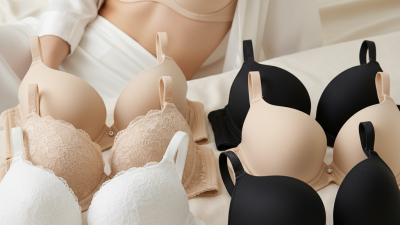
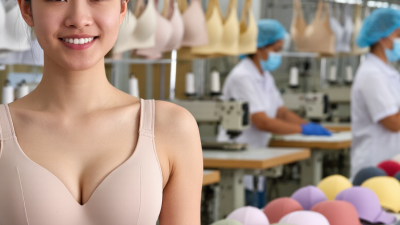
Wholesale buyers entering the 2026 lingerie market need more than a flattering product photo. They need reliable fit, repeatable quality, and clear evidence of customer demand. Grand View Research estimated the global lingerie market at approximately US$94.2 billion in 2023, with projected growth through 2030. This figure covers lingerie broadly, not Push Up Bra sales alone. Still, it signals a substantial category where product differentiation matters.
For a Push Up Bra, small construction details shape the buying decision. Think of a smooth cup edge beneath a fitted T-shirt, secure straps that stay in place, and padding that adds lift without feeling rigid. Bra-fitting expert Susan Nethero has emphasized the importance of proper fit in lingerie selection; the practical takeaway for buyers is simple: lift should not come at the expense of comfort. A specific quotation is not included here because I cannot verify her exact wording.
Fit comes first.
This guide examines what wholesale buyers should assess before placing a 2026 order: size consistency, materials, construction, supplier communication, and the balance between trend appeal and everyday wearability. Ask for graded size samples, inspect stitching and closures, and test how the cups look under lightweight fabric. These checks can reveal issues that a product sheet may miss. Market reports offer useful context, but they cannot replace sample reviews and buyer feedback. A confident assortment starts with evidence, not assumptions.
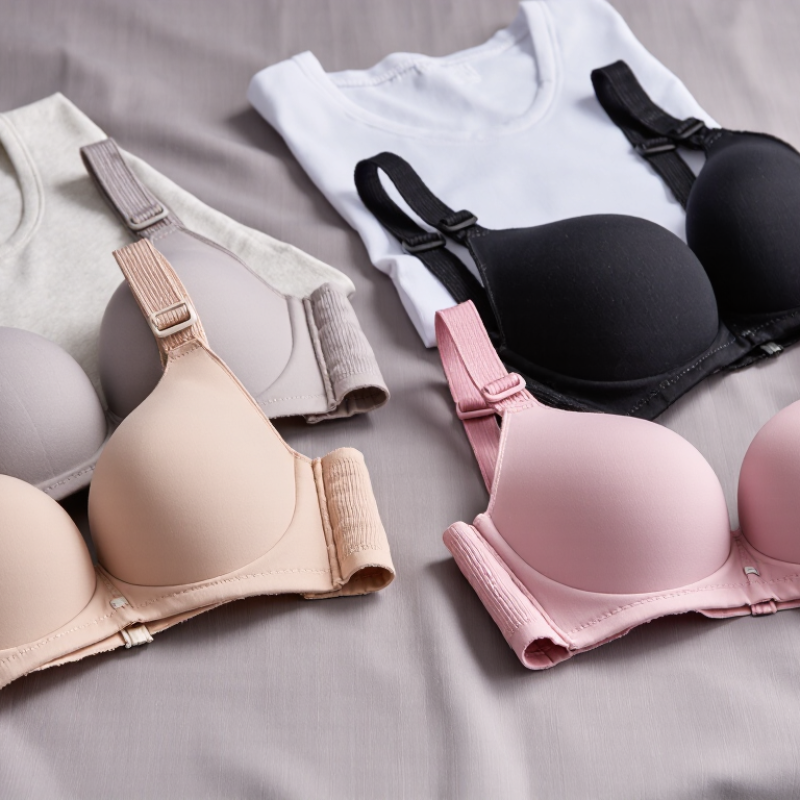
For wholesale buyers, a push-up bra is defined by more than thick padding. Angled cups and graduated inserts should create gentle lift without forcing breast tissue upward or inward. The center gore should sit comfortably, while straps stay secure without digging into the shoulders. Small details matter: smooth cup edges, even stitching, and closures that remain firm after repeated wear.
In 2026, buyers should assess fit across the full size range, not just on a sample model. Ask suppliers for graded samples and inspect how cup depth, wire shape, and padding change between sizes. Request fabric and construction details, then check a sample through several wears and washes. One overlooked issue is heat: dense foam may feel supportive in a fitting room but less comfortable after hours of use. There is no single ideal push-up shape for every customer.
Push-up lift is not created by padding alone. Placement matters. Graduated foam, fuller at the lower cup, can guide tissue upward without making the top edge gape. Removable pads add flexibility, but they may shift during wear. For wholesale buyers, check pad shape after washing and compare left-right symmetry across samples. Small differences show under close-fitting tops.
Underwire can provide a stable frame when its curve follows the wearer’s breast root. A wire that is too narrow may press at the sides; one that is too wide can sit away from the body. Cup construction matters, too. Seamed cups can shape and support fuller sizes, while molded cups offer a smooth outline but may fit fewer breast shapes. Not always. A higher center gore can improve separation, though it may feel restrictive on some bodies.
Evaluate the whole combination across a size run, not just one sample. Check wire comfort, cup coverage, and whether the lift stays balanced during movement. Ask suppliers for consistent measurements and repeat samples before placing larger orders. I used to treat thicker padding as a simple selling point; that misses the trade-off. More volume can mean more heat, bulk, and fit complaints. Comfort still sells.
2026 Best Push Up Bras for Wholesale Buyers?
Fabric choices should follow climate, price point, and care expectations. The Textile Exchange Materials Market Report 2024 estimates that global fiber production reached 124 million tonnes in 2023; polyester represented 57%, while cotton accounted for 20%. This scale helps explain why polyester-rich blends are common in stretch lingerie. For push-up bras, buyers can assess microfiber for a smooth finish, power mesh for side support, and cotton-lined cups for softer skin contact. Feel matters.
Sizing needs local fit trials, not a copied chart. Cup volume, band preference, and coverage expectations vary across markets and customer groups. Ask factories to grade samples across the full size range, then check cup gaping, wire placement, and strap pressure on real wearers. A padded cup that lifts one shape may feel bulky on another. Fit data can be messy, and a small trial may miss important differences.
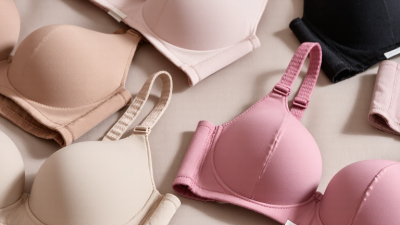
Style selection should reflect how customers dress and shop. Plunge cuts suit lower necklines; full-coverage cups can offer steadier support for daily wear. Removable pads add flexibility, but they can shift in washing. Request samples in several fabrics and colors, and test stretch recovery after repeated laundering. Small details count: a firm hook-and-eye, smooth seams, and straps that stay put. One practical gap remains: sample-room fit is not always retail fit.
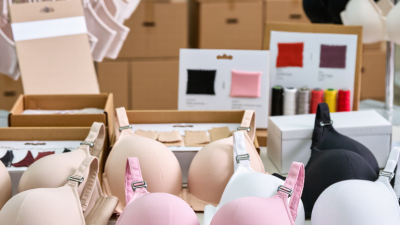
Wholesale buyers should judge a push-up bra by repeatability, not a polished sample. Request a size set and inspect cup symmetry, padding recovery, underwire channels, strap stretch, and stitching after wear and washing. Check measurements across sizes, not just the sample size. A beautiful sample can still mislead. Textile Exchange’s Materials Market Report 2024 estimates global fiber production reached 124 million tonnes in 2023, with polyester accounting for 57%. That figure describes the wider fiber market, not bra quality, but it makes clear why suppliers should document fabric composition and sourcing.
Compare like with like. Ask for separate costs for fabric, molded cups, trims, packaging, and freight terms; a low unit price may exclude important charges. Confirm whether the quote changes with color, size range, or order volume. Request written tolerances for measurements and color, plus records of quality checks. No checklist removes every risk. A small detail, such as uneven foam thickness, can affect comfort and returns.
Clarify minimum orders by style, color, and size, and ask whether shared fabrics or trims can lower the first commitment. Confirm sample fees, production lead time, and the reorder minimum before paying a deposit. A smaller trial order can reveal fit or finishing issues, though it may carry a higher unit cost. The right MOQ is not always the lowest one.
Push-up demand in 2026 is moving beyond dramatic lift. Wholesale buyers are seeking everyday comfort, flexible shaping, and dependable size coverage. Grand View Research valued the global lingerie market at USD 92.43 billion in 2023 and forecast 6.1% annual growth from 2024 to 2030. This is category-wide data, not a push-up forecast, but it signals room for focused assortments. Comfort sells. Lightweight foam, smooth microfiber, and adjustable straps suit T-shirts, workwear, and long days.
Collections are leaning toward adaptable details: removable pads, wider back bands, and varied cup-depth options. These features may help reduce fit complaints, though added components can raise costs and complicate replenishment. Inclusive grading matters, but extending the band range alone is not enough; cup shape and wire width need attention too. Fit still varies. More sampling takes time, and buyers should weigh that against fewer avoidable returns.
Tips: Test each style on several body shapes, then track return reasons by size and color. Ask suppliers for consistent foam thickness and strap-recovery test results. Begin with a focused color range while keeping core sizes available. Product photos can show coverage, but they cannot replace wear testing.
| Trend or Buying Dimension | What Is Changing | Wholesale Assortment Implication | Practical Buyer Check |
|---|---|---|---|
| Natural-looking lift | Shoppers may want shaping and cleavage enhancement without an overly rigid or visibly padded appearance. | Offer more than one lift level, such as light, moderate, and more pronounced enhancement, where the supplier can support consistent grading. | Compare the bra on several cup sizes. Check cup shape, edge visibility, wire comfort, and whether the advertised lift matches the sample. |
| Comfort-focused construction | Soft linings, smooth seams, flexible materials, and well-finished underwires remain important considerations for everyday wear. | Balance fashion-led push-up styles with comfortable options suited to longer wear and repeat purchasing. | Review wire casing, strap adjustment, closure quality, seam placement, and comfort during movement—not just on a hanger. |
| More inclusive size coverage | Fit expectations vary across band and cup combinations; a single sample size cannot represent fit across a full size run. | Prioritize styles with reliable grading and confirm which sizes the factory can produce consistently, including extended sizes where available. | Request a size set or graded fit samples. Check band tension, cup coverage, strap placement, and support across the intended range. |
| Seamless and smooth finishes | Smooth cup surfaces and low-profile construction can suit fitted tops and reduce visible lines under clothing. | Consider seamless or molded-cup options alongside stitched styles, while avoiding an assortment made up of indistinguishable silhouettes. | Test under thin and close-fitting garments. Inspect cup edges, molding consistency, surface marks, and shape retention after care testing. |
| Versatile styling | Convertible straps, multiway wear, and designs that work with different necklines can make a style useful for more occasions. | Use versatile features to differentiate core products, but include simpler constructions for buyers seeking accessible price points. | Check that strap hooks and adjustment hardware are secure and that the bra stays in place in each intended wearing configuration. |
| Material and compliance transparency | Buyers increasingly need clear material composition and documentation appropriate to the markets where products will be sold. | Request accurate fiber-content details, care information, and relevant test or compliance documents before confirming production. | Match labels and product specifications to the actual approved materials. Confirm applicable requirements with a qualified compliance provider. |
| Responsible material options | Recycled or otherwise lower-impact material claims may appeal to some customers, but claims need supporting documentation. | Evaluate certified or traceable material options when they fit the target price and product performance requirements. | Ask for evidence supporting any environmental claim, including material scope and chain-of-custody details where relevant. |
| Color and assortment planning | Core neutrals typically serve everyday needs, while seasonal colors can add freshness without replacing dependable basics. | Build a balanced color plan around the retailer’s customer, selling season, and replenishment capability rather than ordering every color equally. | Review colorfastness, shade consistency between production lots, minimum order quantities, and lead times for repeat orders. |
| Digital product information | Clear size guidance, product measurements, fit notes, and accurate images help shoppers make more informed online choices. | Request complete product data and consistent photography assets to support wholesale listings and reduce avoidable fit-related returns. | Verify that size charts match the finished garment and include clear guidance on band, cup, padding, and fit characteristics. |
| Quality and supply reliability | Small differences in padding, stitching, hardware, or sizing can affect customer satisfaction and reorder decisions. | Assess suppliers on repeatability, communication, production capacity, and quality controls—not sample appearance alone. | Approve a pre-production sample, agree measurable inspection criteria, and confirm lead times, minimums, and defect-handling terms in writing. |

Wholesale planning guide: trends and customer preferences vary by market and sales channel. Validate the assortment with local fit feedback, sample testing, and your own sell-through and return data.