Top Anti-Breast Bra Suppliers for Global Buyers
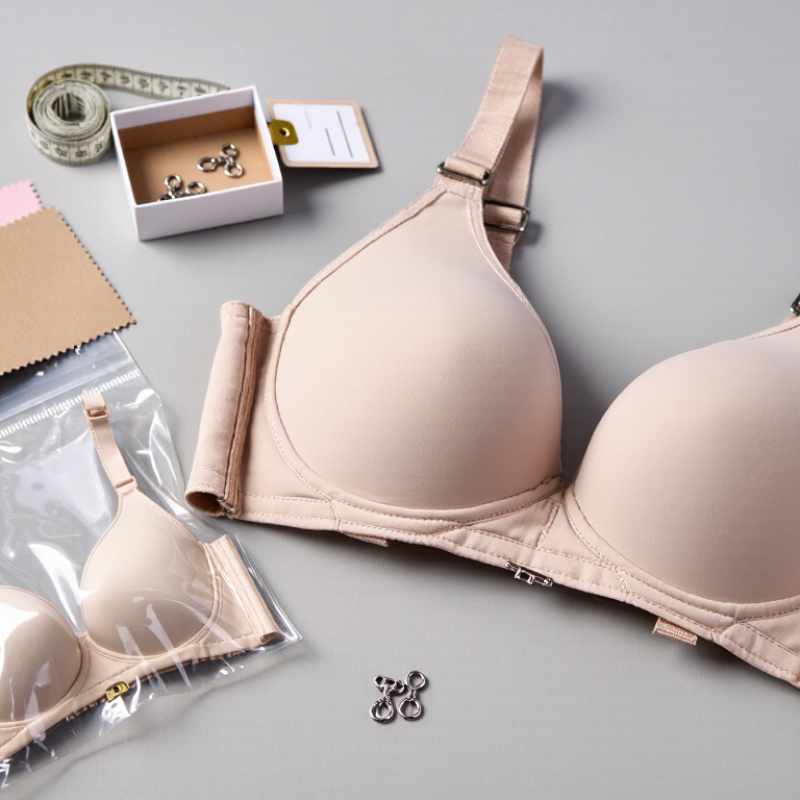
Global buyers searching for an Anti-Breast Bra need more than a supplier’s attractive product photos. They need clear specifications, consistent production, and communication that holds up across time zones. This guide introduces suppliers and explains how to compare them using practical details: fabric composition, size ranges, adjustable straps, stitching, packaging, and sample availability. Small details matter. A clasp that feels secure in a sample may behave differently after repeated wear or washing. Ask for measurable product information, not broad claims.
Supplier selection also depends on the intended market and the product’s use. Buyers should review available quality-control procedures, testing documents, customization options, minimum order quantities, and production lead times. Requesting a sample can help assess fabric feel, seam finishing, fit, and labeling before placing a larger order. Where relevant, confirm that product claims and documentation suit the destination market; requirements can vary. No supplier is automatically the right choice. Even a polished catalog leaves questions unanswered, and a strong first conversation does not guarantee consistent batches. That uncertainty deserves attention. By comparing evidence, asking specific questions, and recording agreed specifications, global buyers can build a more dependable shortlist of Anti-Breast Bra suppliers without relying on price alone.
Define Antibacterial Bras and Compare ISO 20743 with AATCC TM100
Top Anti-Breast Bra Suppliers for Global Buyers
Define Antibacterial Bras and Compare ISO 20743 with AATCC TM100
An antibacterial bra uses treated fibers or fabric finishes designed to limit bacterial growth on the textile. That does not automatically make it safer for skin or prevent infection. Buyers should ask which bacteria were tested, how the fabric was treated, and whether claims apply to the finished bra. A label alone is not proof.
ISO 20743 and AATCC TM100 are quantitative methods for assessing antibacterial activity in textiles. Both involve applying bacteria to textile samples and measuring changes after incubation. However, their procedures and calculation methods differ, so results should not be treated as directly interchangeable. The selected method, bacterial strains, and reported result all matter. Small details matter.
For practical comparison, request the full test report, including the test method, organisms, controls, and sample description. Check whether testing covered the finished garment or only a fabric swatch; elastic panels and seams may behave differently. Ask whether the bra was tested after washing, if durability matters to your product. Results can vary with fabric, finish, and laboratory conditions. They deserve careful reading, not just a headline percentage. A clear supplier should explain those limits without implying that one test proves every performance claim.
Screen Suppliers Using OEKO-TEX STANDARD 100’s Four Product Classes
Global buyers should screen suppliers by the intended use of each bra, not by a certificate logo alone. Textile Exchange’s Materials Market Report 2024 estimates that global fiber production reached 124 million tonnes in 2023. That scale makes clear material records matter. For a mastectomy-style bra worn against the skin, OEKO-TEX STANDARD 100 Product Class II is usually the relevant benchmark.
The four classes reflect different exposure levels. Class I covers products for babies and toddlers up to age three and has the strictest requirements. Class II is for products that touch skin directly, including bras. Class III covers items with limited skin contact, while Class IV applies to decorative materials. A supplier’s certificate should match the product class and cover the actual fabric, lining, elastic, and other components in scope. A certificate for one fabric does not automatically verify a finished bra.
Tips: Check the certificate’s validity and product details, then compare them with the sample and purchase specification. Ask for batch traceability. Small details matter. Elastic blends can change between orders, and paperwork may not catch the change unless buyers check again. Product-class screening is useful, but it is not a substitute for reviewing fit, construction, and supplier quality controls.
Screening Bra Suppliers with OEKO-TEX® STANDARD 100
Formaldehyde limit values by product class (mg/kg). Lower limits indicate stricter requirements for this substance.
Class I covers articles for babies and young children up to 3 years; Class II covers articles with direct skin contact; Class III covers articles without direct skin contact; and Class IV covers decorative materials. Bra fabrics and components are typically assessed according to their intended use and skin contact. Ask suppliers for a valid certificate covering the specific article, and confirm applicable limits against the current standard edition and test documentation.
Evaluate OEM Capacity Through MOQ, Lead Time, and Quality-Test Reports
Top Anti-Breast Bra Suppliers for Global Buyers
Evaluate OEM Capacity Through MOQ, Lead Time, and Quality-Test Reports
A supplier’s production claims matter less than the details behind them. Ask for the minimum order quantity by style, color, and size range. A 500-piece MOQ may apply to one color only, while mixed colors require separate setup costs. Clarify this before comparing quotes. Details matter.
Lead time should cover sampling, material approval, production, and final inspection. Request a schedule with dates for each stage, not one broad delivery estimate. For example, a four-week production window may begin only after fabric and fit approval. Ask how delays are reported and whether repeat orders follow the same timeline. Plans can slip.
Quality-test reports help show how a supplier checks materials and finished garments. Review the report date, tested product details, methods, and results. Confirm that the report matches the fabric and construction you plan to order; a report for a similar item may not be enough. Ask for records of seam strength, colorfastness, and sizing checks where relevant. A polished document is not proof by itself. In practical sourcing reviews, clear answers and traceable batch records are stronger signals than broad promises. A low MOQ can look attractive, but setup fees may change the real cost. Check the numbers twice.
Check Export Compliance with EU Regulation 1007/2011 and U.S. FTC Rules
Top Anti-Breast Bra Suppliers for Global Buyers
Check Export Compliance with EU Regulation 1007/2011 and U.S. FTC Rules
For anti-breast bras sold in the EU, Regulation (EU) No 1007/2011 requires accurate fibre-composition information using the regulation’s permitted fibre names. Labels must be legible, visible, accessible, and available in the official language or languages required by the destination market. Request test reports and material specifications for each fabric, lining, and elastic component. Small details matter.
In the United States, most textile apparel labels must identify fibre content, country of origin, and the responsible business; an FTC-issued RN may be used where applicable. Care instructions are a separate requirement under the FTC Care Labeling Rule. Check that the sewn-in label matches the product file and purchase order, not just a supplier’s general catalogue. A neat spreadsheet is not proof.
The scale of material sourcing makes verification practical, not fussy. Textile Exchange’s Materials Market Report 2024 estimated global fibre production at 124 million tonnes in 2023. That volume reflects complex supply chains, where a single bra may combine several fibre types from different mills. Ask suppliers to disclose composition by component and flag any changes before production. Keep the evidence. A mismatch between a sample and a bulk order can still slip through; build in a final label check before shipment.
Rank Global Suppliers by Verified Performance, Compliance, and Supply Reliability
Global buyers comparing anti-breast bra suppliers should rank them by evidence, not polished catalogs. Verify production capacity through recent order records, factory visits, or independent audits. Compare defect rates, sample-to-bulk consistency, and on-time shipment data across several orders. A supplier with clear records is easier to assess than one making broad claims.
Compliance needs product-specific checks. Request current test reports for fabric composition, colorfastness, seams, and any stated safety requirements in the destination market. Confirm that reports match the actual material and product model. Ask how size grading, labeling, and batch traceability are controlled. Then review lead times, backup capacity, and written procedures for handling defects. A spreadsheet can miss real factory conditions, so verify key details directly.
Tips: Request a pre-production sample and inspect stitching, elastic recovery, and fit after washing. Ask for recent delivery records and a documented quality-control checklist. Keep your scoring criteria consistent across suppliers; otherwise, the ranking may reflect convenience more than performance. No supplier is perfect. Note gaps openly, and recheck important documents before placing a large order.