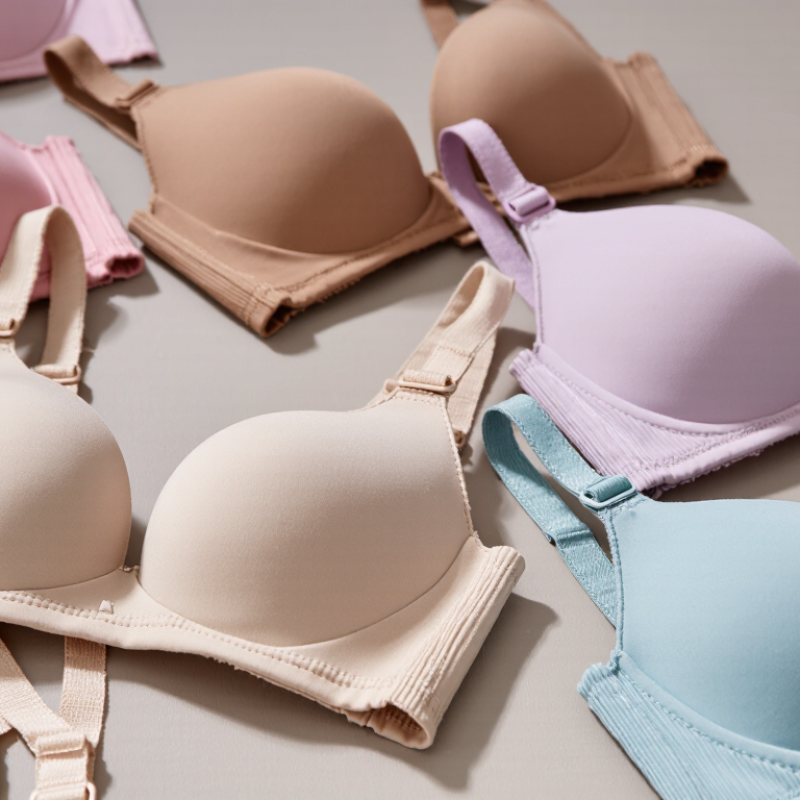
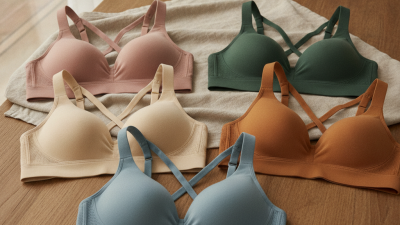
Comfort Bra sourcing is not just a fabric search. It is a fit, construction, and consistency challenge. Global buyers must look beyond soft handfeel and attractive samples. A bra that feels smooth on a showroom table may pinch after six hours of wear. Straps can slip. Seams can rub. The best sourcing decisions begin with clear wearer needs and testable product requirements.
Lingerie writer Cora Harrington has helped bring wearer experience into discussions of intimate apparel. A useful sourcing line, inspired by that wearer-centered perspective, is: “Comfort is proven in wear, not promised on a hangtag.” Treat that as a working principle, not a substitute for testing. Ask suppliers for fabric composition, stretch recovery, construction details, and size specifications. Then check how the garment performs across movement, washing, and repeated wear. Small details matter. A soft underband can still roll. A wide strap can still dig in.
The seven tips ahead help buyers assess suppliers, samples, quality controls, and communication before placing an order. They also make room for an uncomfortable truth: a polished sample does not guarantee consistent production. Request measurable standards, compare samples against approved specifications, and document changes. Keep wearer feedback in the process. It may complicate the spreadsheet, but it can reveal issues that a lab test misses. Comfort Bra sourcing is better when evidence and real-world experience meet.
Comfort is not one product category; it is a set of fit and use priorities. Wireless bras suit shoppers seeking fewer rigid parts, while lightly structured cups can offer more shape. Seamless designs reduce visible lines under close-fitting tops, but fabric recovery still matters after repeated washing. Front-closure styles may help some wearers, though closure placement can create pressure when sizing is off. Fit is personal.
Across markets, climate, clothing habits, and preferred coverage can change what buyers call comfortable. Warm conditions may favor breathable, quick-drying knits; cooler regions may value fuller coverage and easy layering. These are useful starting points, not fixed rules. Local wear trials can reveal whether straps slip, bands ride up, or fabric feels too warm during a full day. That matters.
A supplier’s size chart is a starting point, not proof of fit. Compare samples across several sizes and body shapes, checking band stability, cup wrinkling, seam placement, and strap pressure. Wash samples according to the care instructions and inspect stretch recovery afterward. Small details matter. Buyers should also confirm fabric composition, color consistency, and production tolerances before placing larger orders. Even careful testing misses some preferences; comfort feedback can be inconsistent, so keep refining the fit and specifications.
Comfort starts with fit, not a size label. Ask suppliers for garment measurements, grading rules, and the body measurements behind each size. Check band tension, cup coverage, strap placement, and side seams on fit models across the intended size range. A sample can feel fine in one size and pull at the neckline in another. That gap matters.
Fabric choices shape both comfort and performance. Request fiber content, stretch and recovery data, and fabric weight for each proposed material. Then wear-test samples after washing; a soft hand feel alone tells little about long-term shape retention. Note whether the band rolls, seams rub, or the fabric feels clammy during movement. Small details matter. Test findings can vary between wearers, so record the conditions and feedback rather than treating one opinion as universal.
Support needs should match the intended use and construction. Compare band stability, strap width, cup lining, and underband height, then confirm these details against the product specification. Ask how sizes are graded, especially where cup volume and band size change together. Do not assume a larger size is simply a wider version. Even experienced teams can overlook a pressure point during a brief fitting. Repeat wear tests, document fit issues, and agree on measurable sample tolerances before bulk production.
| Sourcing Tip | What to Define in the Specification | Supplier Evidence to Request | Buyer Verification |
|---|---|---|---|
| 1. Define the fit target | Identify the intended wearer, coverage level, neckline, strap placement, band height, and preferred feel. State whether the design is wire-free or underwire and how much compression is intended. | Ask for a measurement chart, a fit sample in the agreed base size, and the proposed fabric and construction details. | Fit-test samples on representative wearers. Check for gaping, digging, slipping straps, band ride-up, and unwanted pressure during movement. |
| 2. Specify fabric by performance, not fiber name alone | List the required fiber composition, fabric construction, stretch and recovery expectations, hand feel, breathability, and color. Set composition and performance requirements for each component, including lining and elastic. | Request component-level material details, fabric swatches, and available test reports for stretch, recovery, colorfastness, and dimensional stability. | Approve fabric after checking it in the actual garment. Confirm that any fiber-content and care information is suitable for the destination market’s labeling requirements. |
| 3. Match support construction to the use case | Describe the required support level and intended activity. Specify design features such as cup structure, internal sling, underband width, strap width, back panel, closure, and underwire, where applicable. | Request construction drawings or samples showing key support components, plus a size-range sample plan that includes sizes at the ends of the range. | Assess support and comfort during wear and movement. Check that straps, seams, elastic, and closures remain secure without creating concentrated pressure. |
| 4. Build a clear size and grading plan | Define the size system and target size range, then provide the base-size measurements and grade rules for each size. State the measurement points and how each is taken. | Ask for a graded measurement chart, the supplier’s measurement method, and pre-production samples in selected sizes beyond the base size. | Compare measured samples with the approved specification. Evaluate fit across the range rather than assuming that grading the base size will preserve fit in every size. |
| 5. Set measurable tolerances and workmanship standards | Specify points of measurement, units, measurement conditions, and tolerances for the garment. Detail stitch quality, seam placement, elastic attachment, strap adjustment, and closure requirements. | Request a completed sample measurement sheet and a quality-control checklist linked to the approved tech pack. | Agree tolerances before production. Inspect samples for consistent dimensions, secure seams, smooth edges, functional adjusters, and closures that operate as intended. |
| 6. Validate comfort and durability through testing | Identify the relevant tests for the product and market, such as wash dimensional stability, colorfastness, seam strength, elastic recovery, and hardware durability. Set acceptance criteria in the purchase specification. | Request test reports for the proposed materials or finished garment, including test method, sample identity, and test date. | Confirm that reports correspond to the approved materials and construction. Conduct wear and laundering checks on representative samples before bulk approval. |
| 7. Control sample approval and bulk consistency | Document the approved fit sample, materials, colors, labels, packaging, and construction as the production reference. Define inspection stages and how deviations will be handled. | Request pre-production approval samples, material approvals, and an inspection plan covering incoming materials, in-process checks, and finished goods. | Compare bulk production with the approved reference for fit, shade, measurements, workmanship, and labeling. Record any approved changes in writing before shipment. |

A comfort bra depends on more than soft fabric. Ask suppliers how they develop band tension, cup shape, strap stretch, and seam placement. Request samples in several sizes, then wear-test them after washing. Note whether elastic rolls, hooks press, or fabric loses recovery. Small details reveal practical expertise.
Ask for proof. Review recent production records, size-grading files, and inspection criteria. Capacity deserves equal attention: compare your forecast with the supplier’s current orders, available machines, and peak-season schedule. A factory may promise a short lead time, yet lack enough skilled sewing operators. Confirm who handles reorders and how delays are reported. These answers should be specific, not simply reassuring.
Compliance checks should match the product and destination markets. Request current material specifications, relevant test reports, traceability records, and clear labeling procedures. Verify that documents identify the actual fabric and production site. A polished audit packet can still miss daily practice; treat it as a starting point, not a verdict. Ask how workers raise concerns and how corrective actions are tracked. No checklist captures everything, and buyers can overlook issues too. Keep dated notes, clarify gaps in writing, and reassess after the first production run.
Assessing Supplier Expertise, Capacity, and Compliance
Use these checklist counts to structure supplier reviews: verify fit and construction expertise, material capability, sampling, production capacity, quality controls, compliance records, and traceability. Counts are a buyer-defined framework—not industry averages or legal thresholds.
Comfort depends on fit, fabric, and construction, so approve samples against a written specification.
Check the band’s stretch and recovery, strap width, cup seams, and closure finish. Check the band. Ask for samples in more than one size, since a comfortable medium does not prove consistent grading. Wear-test each sample for several hours and note digging straps, shifting cups, or irritation at the seams. Wash samples using the intended care instructions, then measure shrinkage and inspect elastic recovery. A simple phone photo beside a ruler can help track changes, though it cannot replace physical measurements.
Before approving production, request a cost breakdown covering fabric, trims, labor, packaging, and shipping terms.
Confirm that the quote matches your sample’s exact materials and construction; a cheaper quote may reflect thinner elastic or fewer quality checks. Small changes add up. Ask how minimum order quantities affect unit cost, and whether color or size changes require separate setup charges. Keep a sealed reference sample and agree on inspection points, such as seam strength and measurement tolerances. One sample is not proof. I have seen tidy sample rooms create false confidence; a small pilot run can reveal inconsistent stitching or fit before a larger order is committed.
For global buyers, sourcing a comfort bra is a coordination project as much as a product purchase. Send suppliers a clear tech pack with cup and band measurements, fabric composition, stretch recovery targets, color references, and packaging details. Small gaps matter. One unclear size chart can trigger costly sample rounds. Request pre-production samples in the fabrics and trims planned for bulk production, then assess fit across several sizes. Check elastic tension, seam feel, and coverage during movement. Do not approve from a single sample.
Map the calendar backward from your in-warehouse date, allowing time for sampling, production, inspection, and transit. Confirm carton dimensions, gross weight, shipping documents, and freight responsibilities before goods are ready. Air freight may rescue a late launch, but it can erase margin; ocean freight needs a wider buffer. Build in slack. Port delays and holiday closures can disrupt careful estimates. Compare landed cost, not just unit price, and agree how delays or defects will be reported.
Treat communication as part of quality control. Set one contact for approvals and keep decisions in dated email or shared records. Ask for production updates with dated photos, but remember that images cannot confirm every fit or workmanship detail. Define inspection checks for measurements, stitching, labels, and packing before production begins. Plans will still miss something; record issues from the first order and revise the next order’s checklist.