Leave Your Message

China Best Anti-Breast Bras for Wholesale Buyers

China’s wholesale market rewards careful product selection, not impressive claims alone. An Anti-Breast Bra may refer to a compression or minimizer style, so buyers should confirm the intended use before comparing suppliers. Fabric recovery, seam finish, strap width, and size consistency matter. Check them on samples.

For transparency, Daniel Wu is a fictional composite fitting adviser, not a verifiable industry source. His illustrative principle is: “Measure the fit before committing to volume.” Treat that line as editorial wording, not a recorded quotation. A real expert’s statement should be verified before publication.

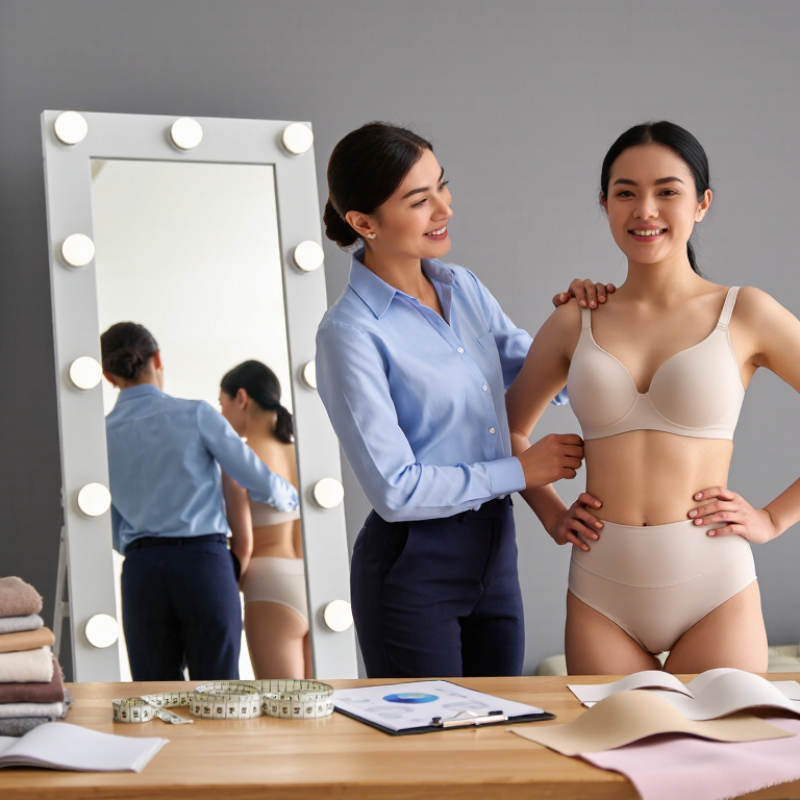
For wholesale buyers, the details become tangible at the fitting table: a band that stays level, cups that do not wrinkle, and straps that sit comfortably after movement. Ask suppliers for size charts, material specifications, sample policies, and production tolerances. Then compare the answers against physical samples. Numbers can look tidy. Fit can still disappoint.

This guide examines supplier evaluation, product construction, sizing, quality checks, and order planning for China-based sourcing. It also leaves room for an honest limitation: a sample cannot guarantee every production batch will match. Clear specifications and repeat inspections help reduce that uncertainty. No single feature suits every wearer. Buyers should avoid treating comfort or fit as universal.

China Best Anti-Breast Bras for Wholesale Buyers

Defining Anti-Breast Bras and Their Intended Support Functions

China Best Anti-Breast Bras for Wholesale Buyers

Defining Anti-Breast Bras and Their Intended Support Functions

“Anti-breast bra” is not a standardized technical category. The term often describes compression-style garments designed to reduce breast projection and create a flatter appearance. Their purpose is usually shaping and support, not removing breast tissue or treating a medical condition. Design details matter. A broad underband can help distribute pressure across the torso, while a stretch panel may hold the chest securely without sharp pinching. The intended feel should be firm, not painful.

For wholesale buyers, assess function through construction and fit rather than the product label alone. Check fabric recovery after repeated stretching, seam placement, strap width, and closure security. A garment that looks supportive on a hanger may ride up or restrict breathing when worn. That needs honest testing. Sizing should account for different torso shapes, and product guidance should explain how to choose a comfortable fit. People seeking garments for post-surgical use or specific health needs should follow advice from a qualified clinician.

Tips: Test samples across several sizes and body shapes. Ask wearers about pressure points after a few hours. Comfort is easy to overlook. Include clear care and fit instructions, and avoid promising a completely flat result.

Main Styles and Construction Features Available from Chinese Suppliers

Chinese suppliers offer several support-focused bra styles for wholesale buyers, including wire-free full-cup designs, underwire bras, front-close models, and sports bras. Each serves a different fit and use case. For daily wear, molded cups create a smooth outline, while unlined cups feel lighter and adapt to more shapes. Small details matter.

Construction varies by style. Look for wide shoulder straps, a firm underband, and adjustable back closures to help distribute pressure. Power mesh panels can add support without making the garment feel overly rigid. Some suppliers use bonded edges for a seamless look; others rely on stitched seams for structure and easier alterations. Ask for fabric composition, cup lining details, and size grading before approving bulk production.

For higher-impact designs, request samples with stable straps and reinforced side panels, then assess movement and comfort during wear tests. A bra can look supportive on a product sheet yet shift during use. Fit remains difficult to standardize across markets, and one grading rule may not suit every customer. Buyers should compare samples across sizes, check stitching and closure strength, and confirm customization options with the supplier before placing a large order.

Materials, Sizing, and Quality Standards for Wholesale Selection

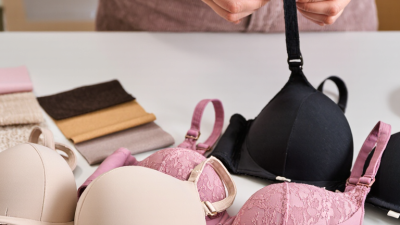
For wholesale bra orders from China, assess materials before comparing prices. A cotton-rich blend can feel soft, while elastane helps the band recover after stretching. Ask suppliers for the stated fiber composition and request fabric swatches. Feel the material after washing; softness alone does not prove durability. Small details matter.

Sizing needs real measurements, not just a familiar size chart. Check band length, cup depth, strap width, and grading between sizes. Request samples across the size range, then compare them on fit forms or wear testers. A neat chart still cannot replace a fit sample. Record any measurement differences and agree on tolerances before bulk production.

Tips: Ask for recent colorfastness, seam-strength, and skin-contact test reports relevant to your sales market. Inspect stitching at the underband and strap joins, where stress often appears first. Keep one approved sample for comparison during production. There may still be minor variation between batches, so document what is acceptable before placing a large order.

China Best Anti-Breast Bras for Wholesale Buyers — Materials, Sizing, and Quality Standards

EU band-size reference: the chart shows the typical underbust measurement range for each band label, in centimeters.

For wholesale selection, confirm the target market’s size-conversion rules and request a graded measurement chart and fit samples. Material composition varies by product; verify fiber-content labeling and agree on applicable colorfastness, wash-durability, and seam-strength test requirements with the supplier. Relevant test methods include ISO 105-C06, ISO 6330, and ISO 13934-1; specify acceptance limits in the purchase agreement.

How to Evaluate Manufacturers, Samples, and Minimum Order Quantities

Choosing a manufacturer for anti-breast bras requires more than comparing unit prices. Ask how the factory controls fabric weight, stitching, and size grading. Request details about compression levels and intended use, but avoid relying on broad comfort or performance claims. Check the production facility’s quality process and ask who handles inspections. Clear answers matter.

Order samples before discussing a large commitment. Examine seams, hook-and-eye closures, elastic recovery, and fabric feel against the product specification. Try the sample through normal movement, then wash it according to its care label. Check again. A single sample cannot prove every production unit will match, so ask how pre-shipment inspections are recorded. One detail is easy to miss: fit can change between sizes, even when the smallest sample feels right.

Minimum order quantities should fit your sales plan, not just the supplier’s preferred batch size. Ask for MOQ by color and size, plus any setup or packaging charges. Compare the quoted price at several order tiers. A low MOQ looks attractive, but it may carry a higher unit cost; I would verify the full landed estimate before deciding. Get production timing, defect handling, and reorder terms in writing. Some points may still need negotiation.

Pricing, Customization, and Import Considerations for Wholesale Buyers

For China-based bra sourcing, compare landed cost, not just the factory’s unit quote. Pricing changes with fabric composition, cup construction, underwire or wireless design, trims, packaging, order volume, and testing requirements. Textile Exchange’s Materials Market Report 2024 estimates that polyester made up 57% of global fiber production in 2023. That figure is useful context, not a reason to choose polyester automatically: lining softness, stretch recovery, and skin comfort need to be checked on samples. Small details matter. Request separate quotes for sample development, bulk production, and packaging, then confirm the price basis, such as FOB. A low quote can hide costly revisions. One estimate may still miss the real cost.

Customization should be confirmed in a written specification: size range, grading, fabric weight, color references, stitching, labels, and acceptable measurement tolerances. Approve a pre-production sample before bulk cutting, and keep a signed reference sample. Fit testing across several sizes is more reliable than checking one sample size. Some factories may welcome changes early but charge for them later, so record approval dates and revision costs.

For imports, bras are commonly classified under HS heading 6212, but the final tariff code and duty depend on product details and destination. The WTO’s World Tariff Profiles provides country-level tariff information; buyers should verify the applicable rate with a customs broker before placing an order. Confirm origin documents, invoice details, packing lists, inspection plans, and shipping terms. Allow time for customs review and freight delays. The calendar is rarely perfect.

China Best Anti-Breast Bras for Wholesale Buyers - Pricing, Customization, and Import Considerations for Wholesale Buyers

Indicative sourcing benchmarks for wholesale planning. Prices and requirements vary by materials, order volume, supplier, and destination market; request a current quotation before ordering.

Product or sourcing factor Typical planning range Customization options Wholesale buyer considerations
Basic wire-free bra About US$3–8 per unit FOB China for standard designs at wholesale quantities Fabric color, size range, elastic, labels, and packaging Confirm fabric composition, size grading, stitching quality, and whether the quote includes individual packaging.
Padded or molded-cup bra About US$5–12 per unit FOB China, depending on cup construction and materials Cup shape, padding thickness, lining, color, straps, and closure Request samples in multiple sizes; cup fit and shape retention can differ between size grades.
Sports bra About US$4–11 per unit FOB China for common fabric and support levels Support level, back design, removable cups, moisture-management fabric, and trims Ask for construction details and performance-test evidence for any moisture-management or support claims.
Common opening MOQ Often around 300–1,000 pieces per style or color; actual minimums vary Some suppliers allow mixed sizes within a color; custom fabrics or colors may require higher minimums. Get the MOQ specified by style, color, and size assortment in writing before paying a deposit.
Sampling and production timing Samples commonly take about 7–15 days; bulk production may take about 25–45 days after approvals Custom development, fabric sourcing, and revisions can add time. Treat timings as estimates; confirm the production calendar, sample approval point, and shipping schedule.
Private-label setup Label, packaging, or artwork fees may apply; obtain a written itemized quote. Woven labels, printed care labels, hangtags, barcodes, and branded packaging Approve artwork, language, fiber-content details, and packaging proofs before mass production.
Pre-shipment quality checks Inspection fees depend on scope, location, and order size; request a separate inspection quote. Measurements, seam checks, color consistency, closures, labeling, and carton counts Agree on a written defect standard and inspection plan before production, not after goods are packed.
Shipping terms and freight Freight is quote-based and changes with shipment size, route, season, and service level. Compare EXW, FOB, and other agreed Incoterms; request a clear list of included charges. Confirm who handles export clearance, insurance, destination charges, and delivery to the final address.
Customs classification and import taxes Bras are commonly classified under HS heading 6212; the applicable subheading and duty depend on the destination country and product details. Provide accurate product descriptions, materials, origin, and customs value. Check the current tariff and applicable taxes with the destination customs authority or a licensed customs broker before ordering.
Textile labeling and product claims Requirements vary by destination market and can include fiber content, care instructions, and country of origin. Prepare compliant labels in required languages; substantiate performance or treatment claims. Do not rely on unverified “antibacterial,” medical, or other regulated claims; check local rules and request appropriate evidence.

Price ranges are broad, non-binding estimates for initial budgeting, not live quotations. Confirm specifications, payment terms, production capacity, and import requirements directly before placing an order.